Most couples don’t think about what their photographer is doing.
And honestly, that’s exactly how it should be.
The best photography is invisible. You shouldn’t feel it happening. You should just be at your wedding, fully present, and weeks later open a gallery that makes you feel everything all over again.
But I want to pull back the curtain for a second- because what happens behind the lens is a lot more layered than most people realize. And understanding it might change how you experience your wedding day entirely.
The room is already being photographed before you walk into it
Before you arrive, I’m already working.
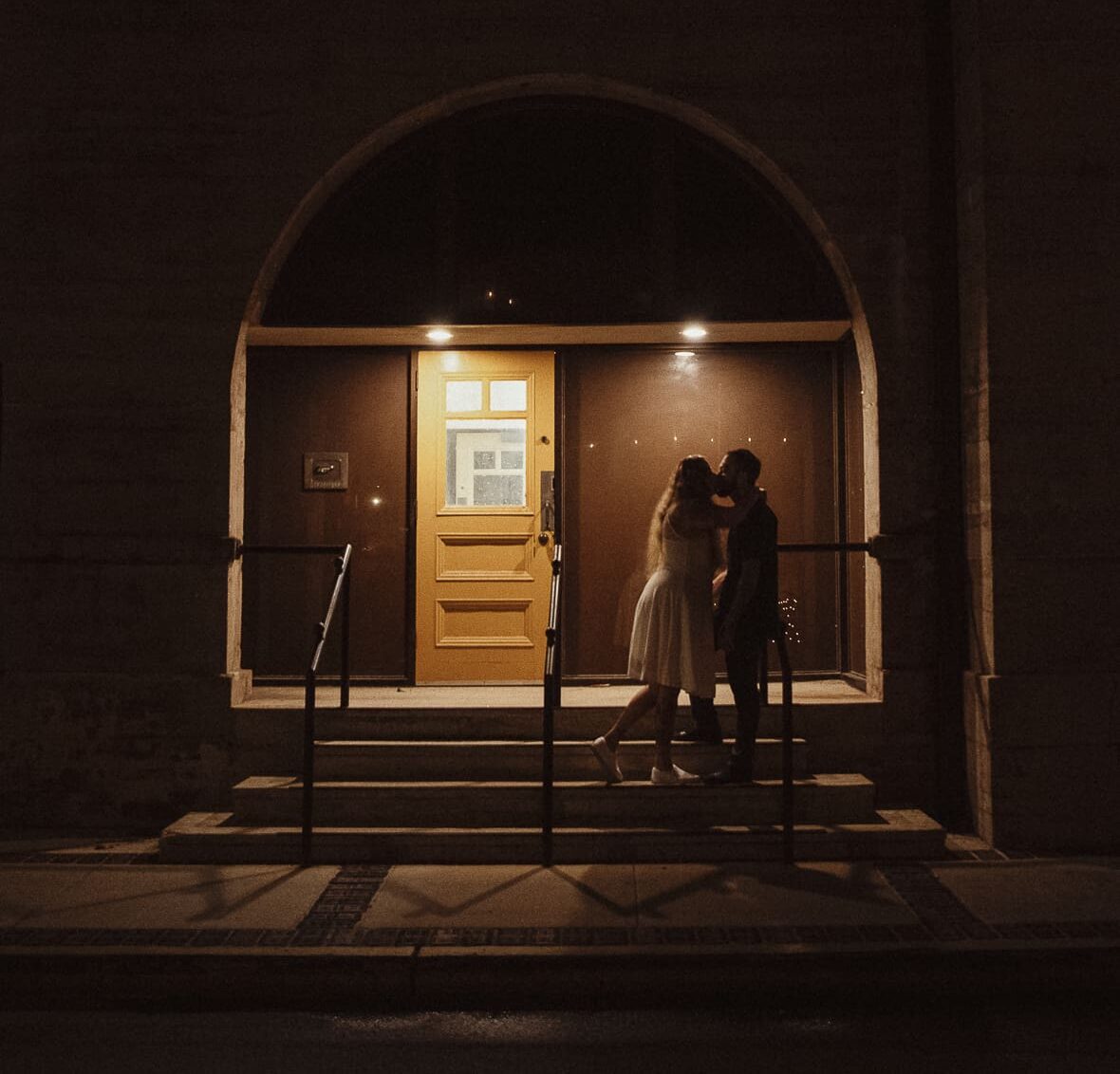
I’m mapping light sources – where it’s falling, how it’s shifting, what it’ll do in an hour when the ceremony starts. I’m noting the angle of windows, the color temperature of the chandeliers, the way the afternoon sun is going to cut across the aisle right around the time you say I do.
I’m identifying the corners, the frames within frames, the unexpected details most people will walk right past. The flowers on the grandmother’s chair. The way the fabric moves near the open door. The ring box sitting in a patch of window light.
By the time you walk in, I already know this room. I’m ready for you.
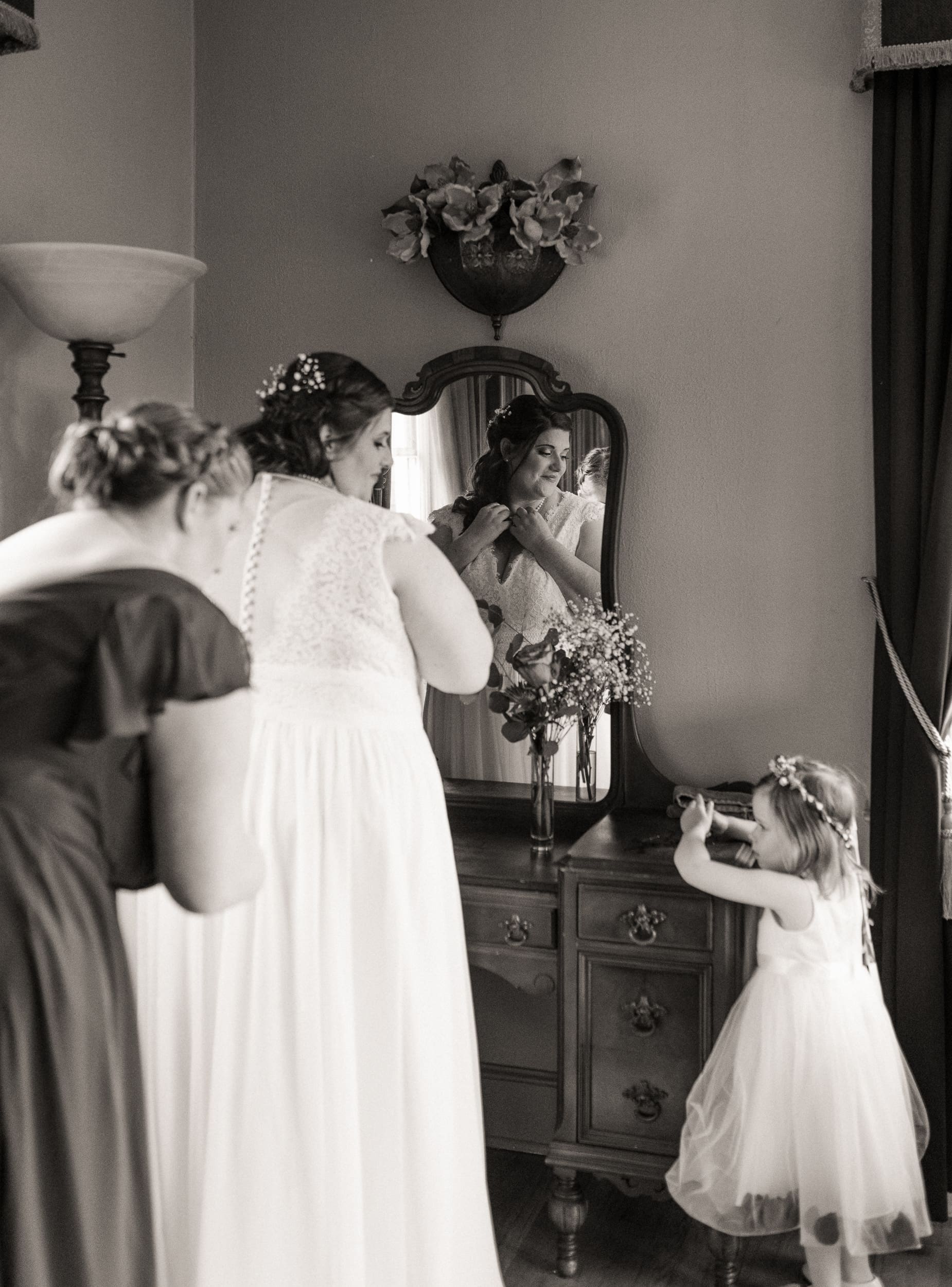
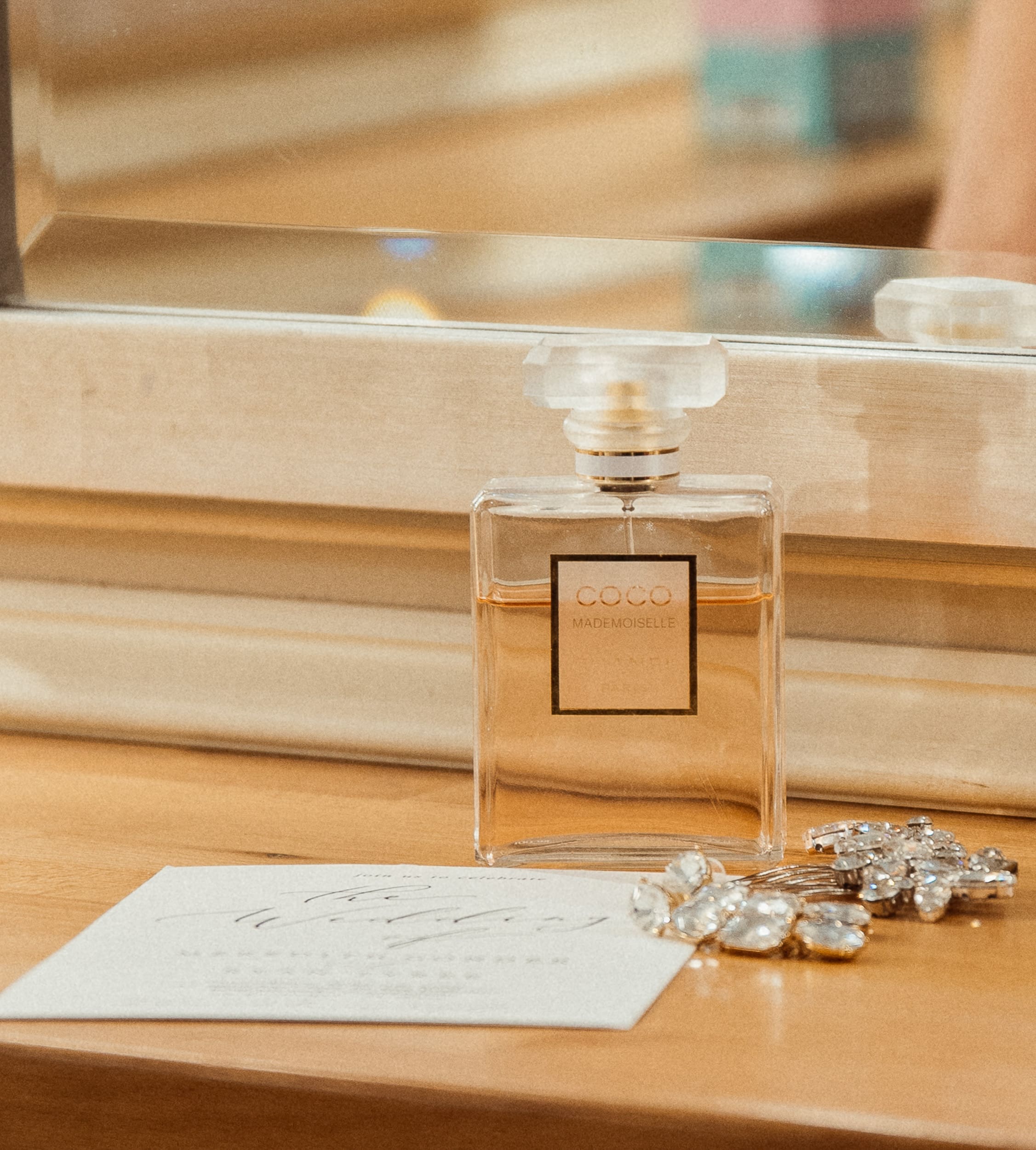
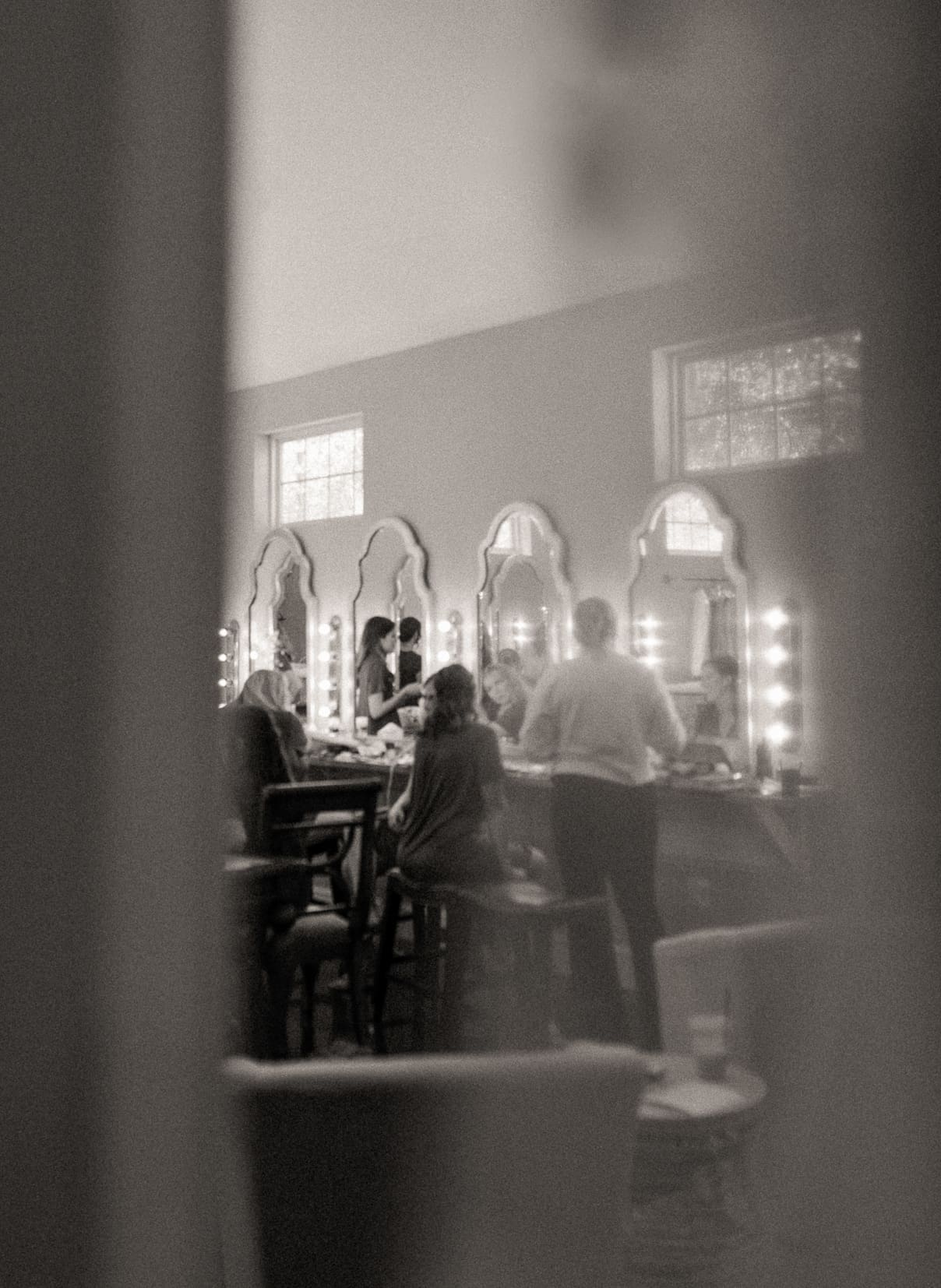
Light is everything – and it never stops changing
Here’s something most people don’t realize: light on a wedding day is constantly in motion.
The soft morning glow during getting ready becomes harsh midday sun during portraits. The golden hour you planned your timeline around disappears behind a cloud. The reception hall that looked beautiful during your venue tour is now dim, warm, and full of moving people.
A photographer who only knows how to work in perfect conditions will struggle when conditions shift – and they always shift.
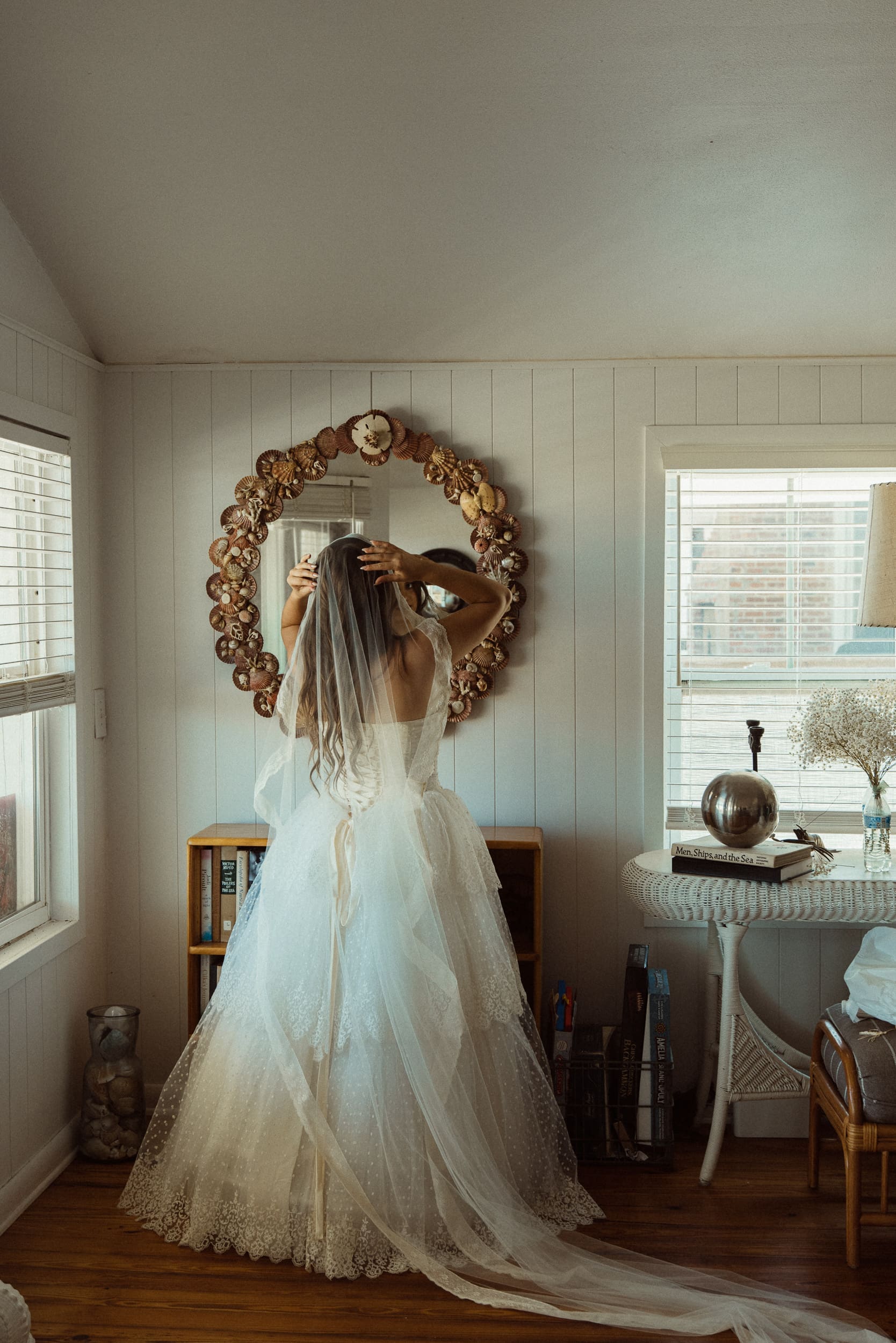
What I’m doing in real time: reading the light, chasing it when it’s good, sculpting it when it’s not. Bouncing flash off a ceiling to keep your reception feeling warm instead of harsh. Backlighting a veil when the sun cooperates. Embracing shadows when they’re more honest than brightness.
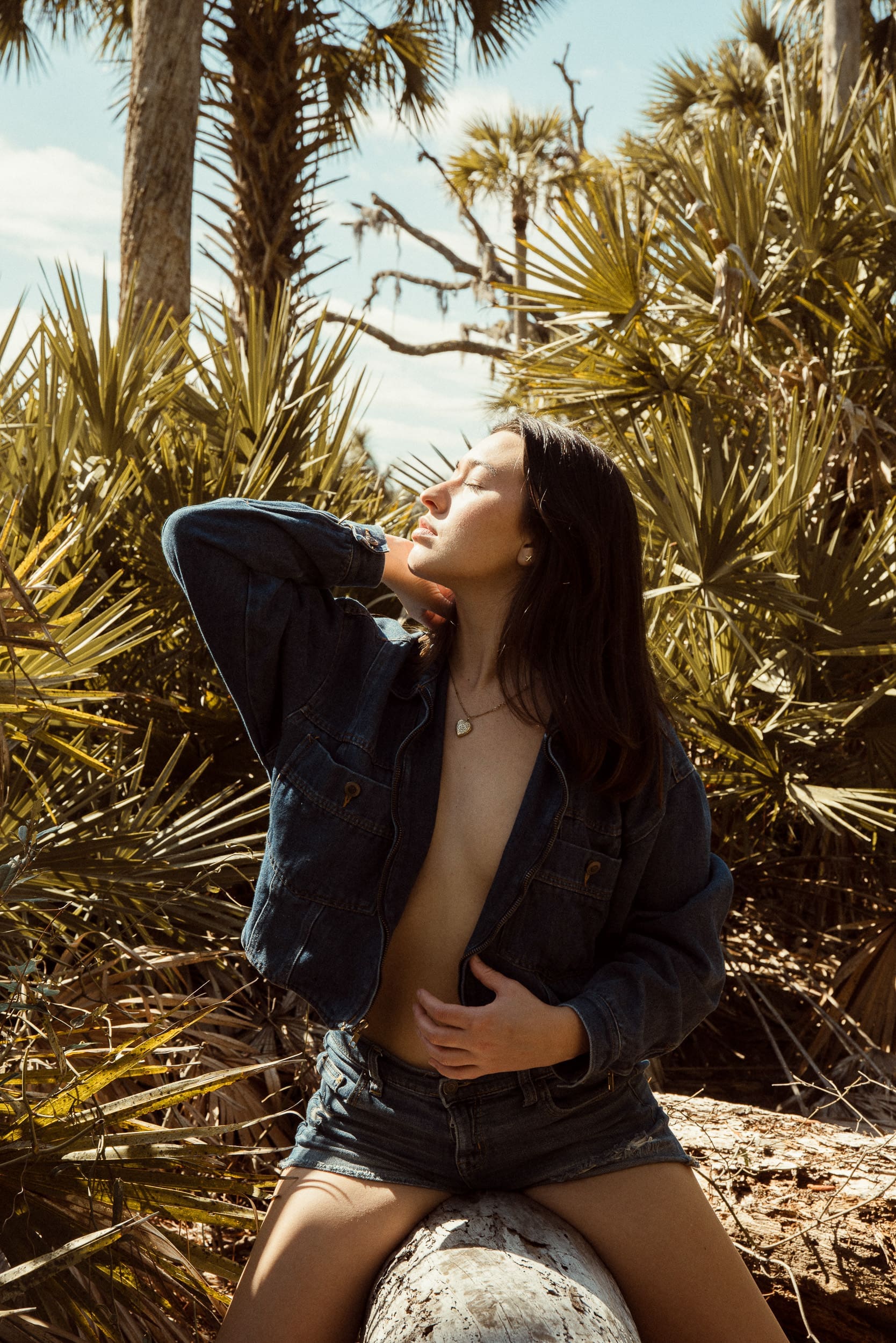
Florida light is its own thing entirely – dramatic, unpredictable, stunning when you know how to use it. An overcast morning isn’t a problem. It’s a soft box the size of the sky.
While you’re dancing, I’m scanning
This is the part that’s hardest to explain, but I’ll try.
While you’re in the middle of your first dance – feeling the music, holding each other, trying to remember the steps you practiced – I’m doing about a thousand things at once.
I’m watching your faces for the moment the performance drops and the feeling takes over. I’m scanning the room for your parents’ expressions. I’m noticing the light flickering off a champagne glass. I’m catching your grandmother’s hand gripping your arm a little tighter during toasts.
I’m adjusting shutter speed for the candlelit dinner. Dialing in flash power as the DJ hits the smoke machine. Switching lenses so I can capture your first kiss with the right compression, the right depth, the right feeling.
None of this is luck. It’s instinct built on years of training – layered on top of technical control that’s become second nature.
When couples tell me afterward that it felt effortless, what they’re really feeling is the result of a thousand quiet decisions they never saw being made.
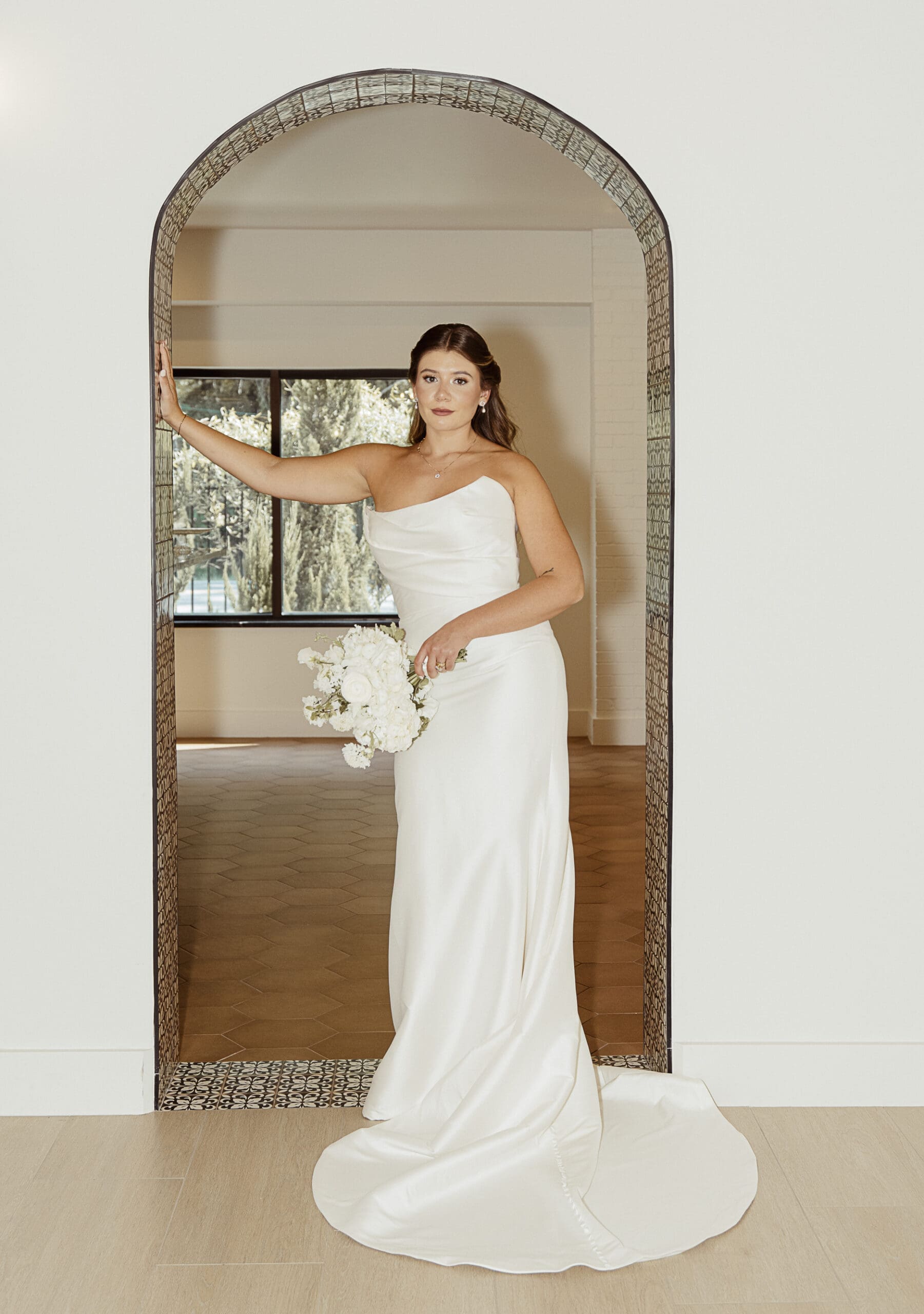
Directing you – without making you feel directed
There’s a version of wedding photography where the photographer takes over your day.
Barking instructions. Moving people around like props. Prioritizing their shot list over your experience.
That’s not this.
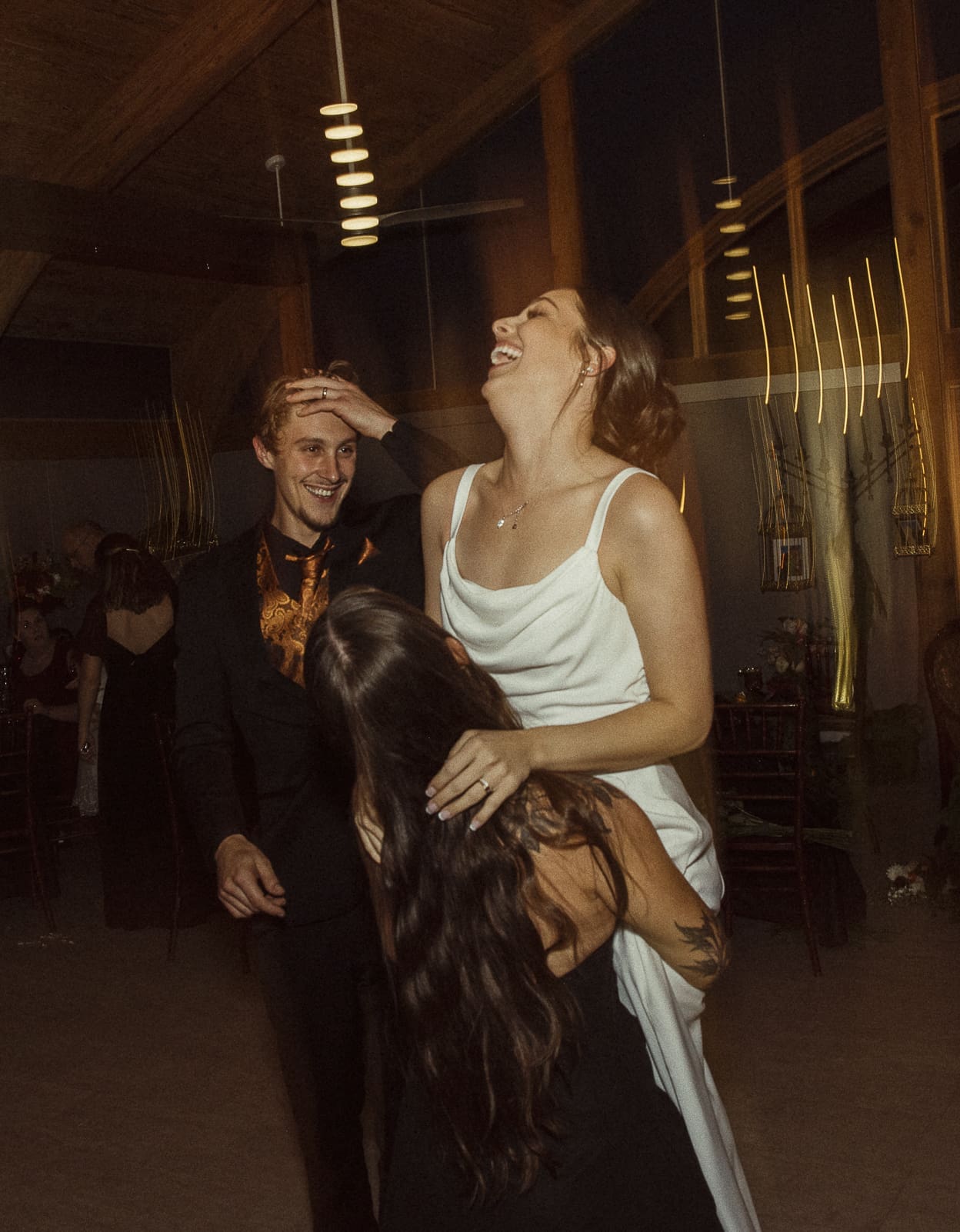
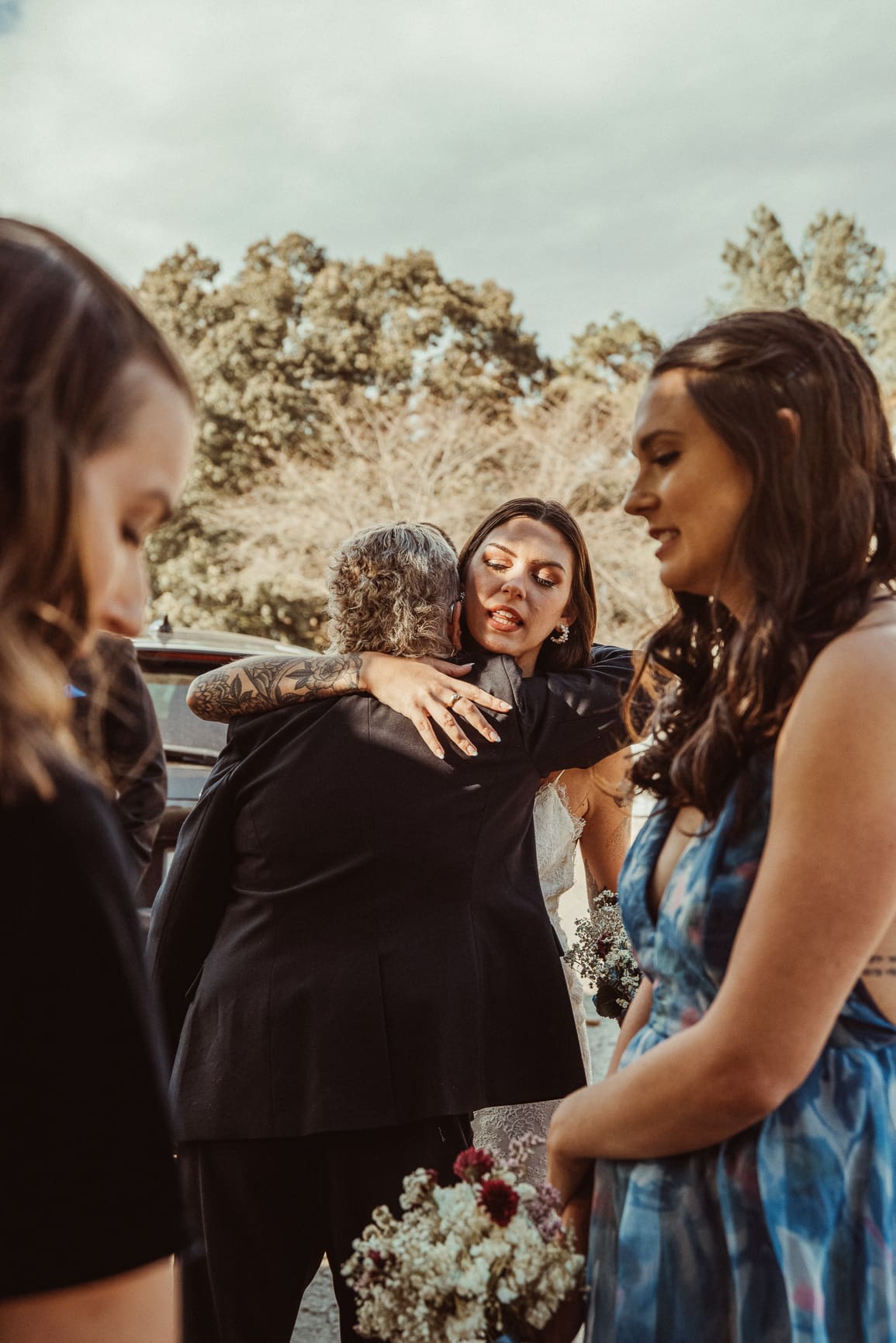
What I’m actually doing is reading energy. Feeling the tension in a room before it shows on anyone’s face. Knowing when someone needs a beat to breathe, when to throw out a joke to loosen things up, when to step back entirely and just let a moment happen.
When I do give direction, it’s intentional – and it’s specific. Drop the bouquet. Lean in. Now close your eyes. Not because I’m controlling the moment, but because I can see something you can’t from where you’re standing, and I want you to feel it too.
The goal is always for you to forget I’m there. And when that happens, that’s when the real photographs emerge.
Why your photos need to look good in twenty years
Editing is where a lot of photographers lose the plot.
Trends move fast. The orange-and-teal look that dominated Instagram three years ago already feels dated. Heavy presets that flatten skin tones, crush shadows, or chase a particular “aesthetic” often age badly – because they were never really about your wedding. They were about a moment in photography culture.
What I’m going for is different.
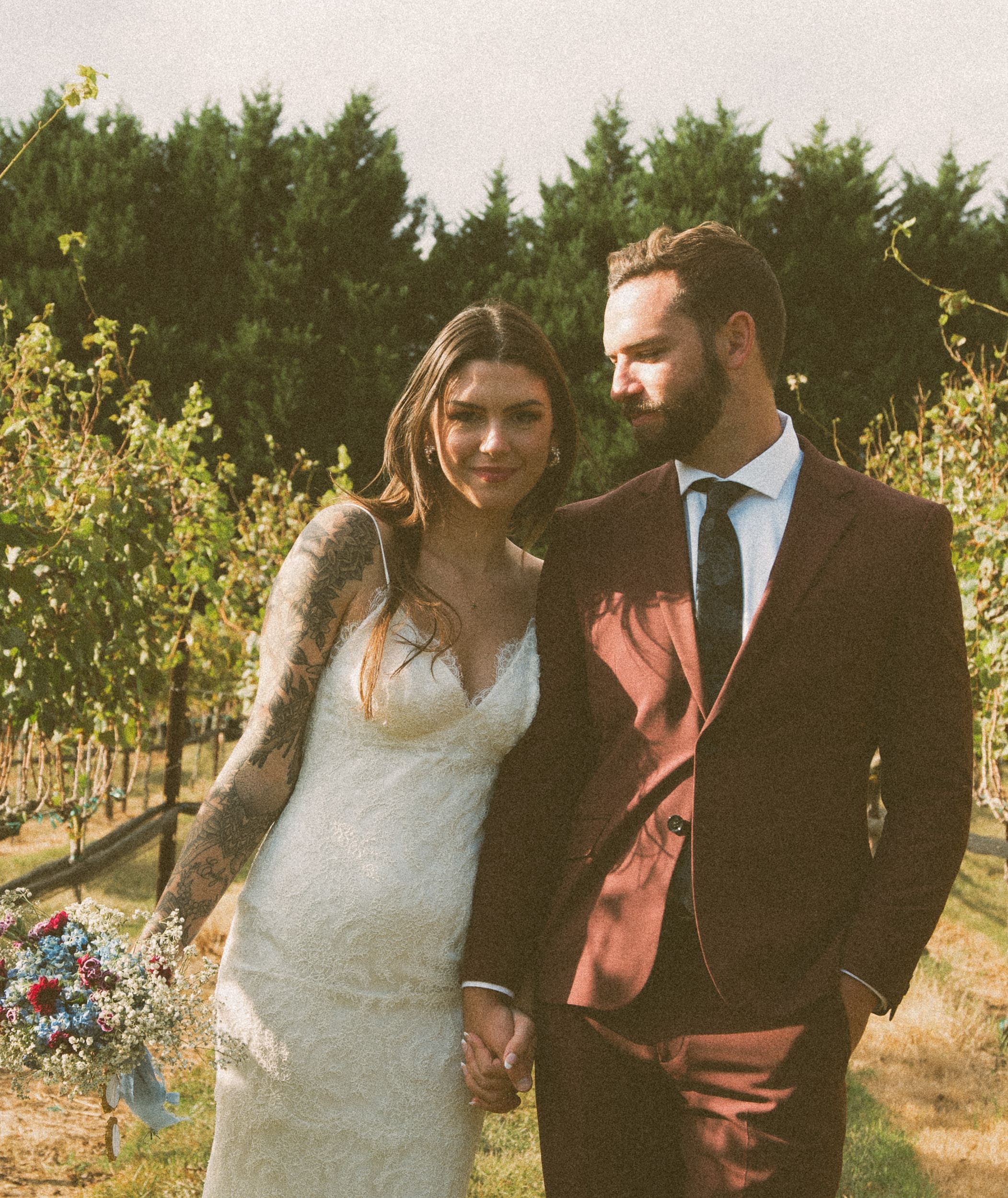
True-to-life tones. Skin that looks like skin. Shadows that feel romantic rather than muddy. Light that enhances rather than overwhelms.
Editing, done right, is the final layer of storytelling – not a filter applied on top of it. It should feel like the emotional tone of your day, not a preset someone downloaded.
Your photos should look like art now. And they should still look like art in twenty years – because they were grounded in something real to begin with.
What this means for you
You don’t need to think about any of this on your wedding day.
That’s the whole point.
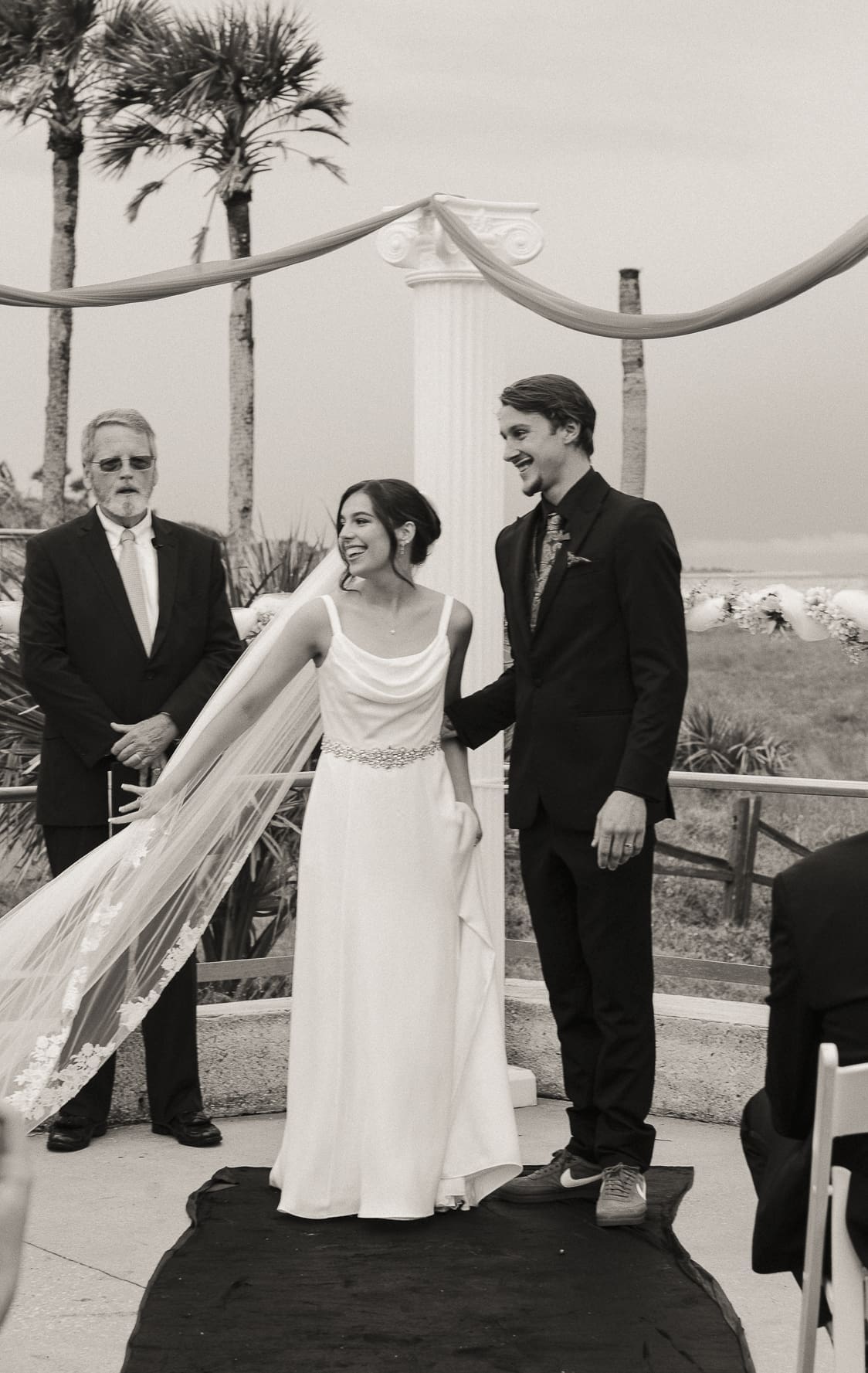
You just need to show up, be present, and trust that someone behind the camera is paying attention to everything – the light, the room, the quiet moments, the ones you’ll want to remember forever.
That’s what I’m there to do.
And when you open your gallery weeks later and something stops you mid-scroll – makes your chest tighten a little, takes you right back to how that moment felt – that’s not luck.
That’s what all of it was for.
Want to know more about how I work and what it actually feels like to be photographed? Read more here.
+ view the comments