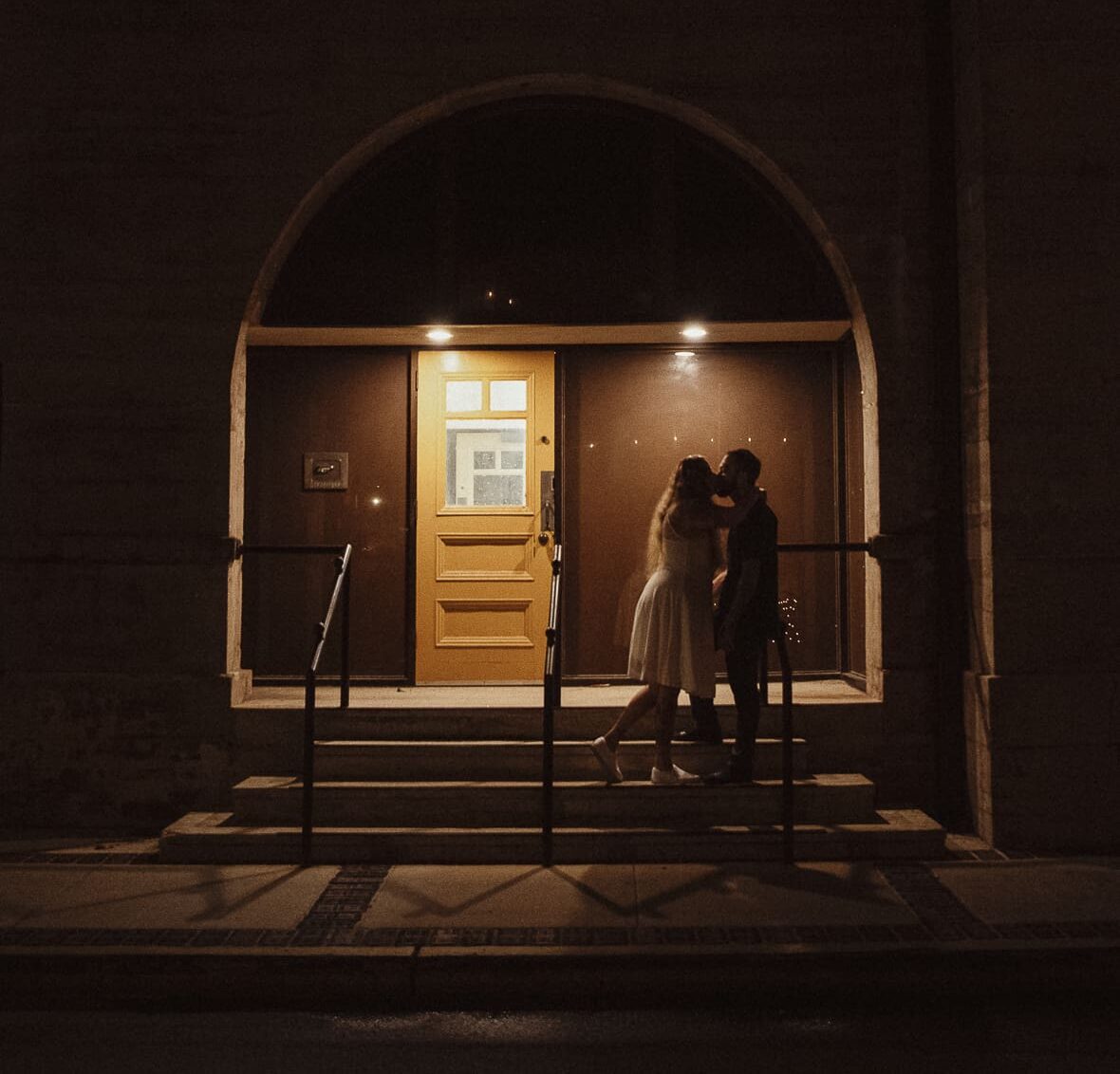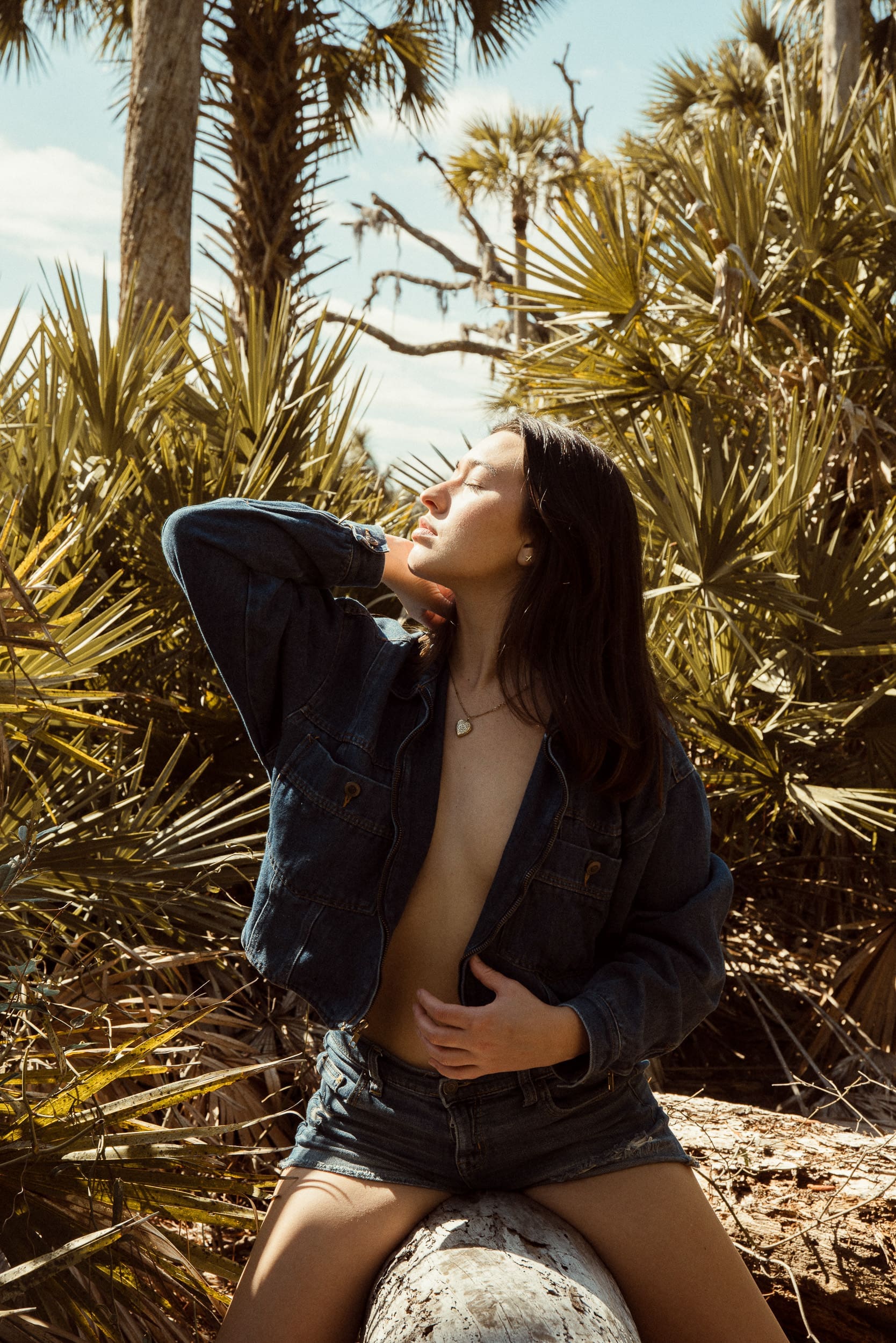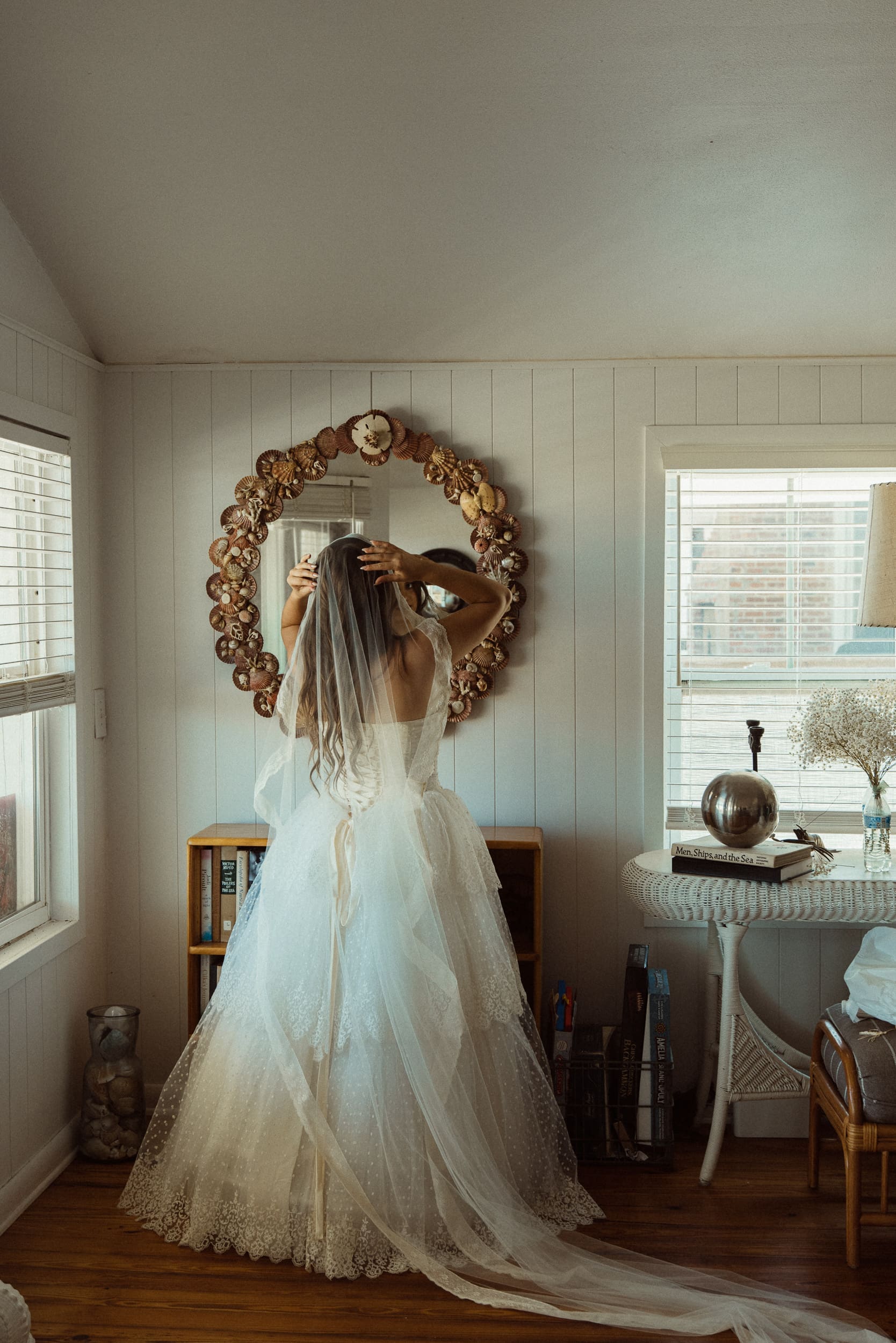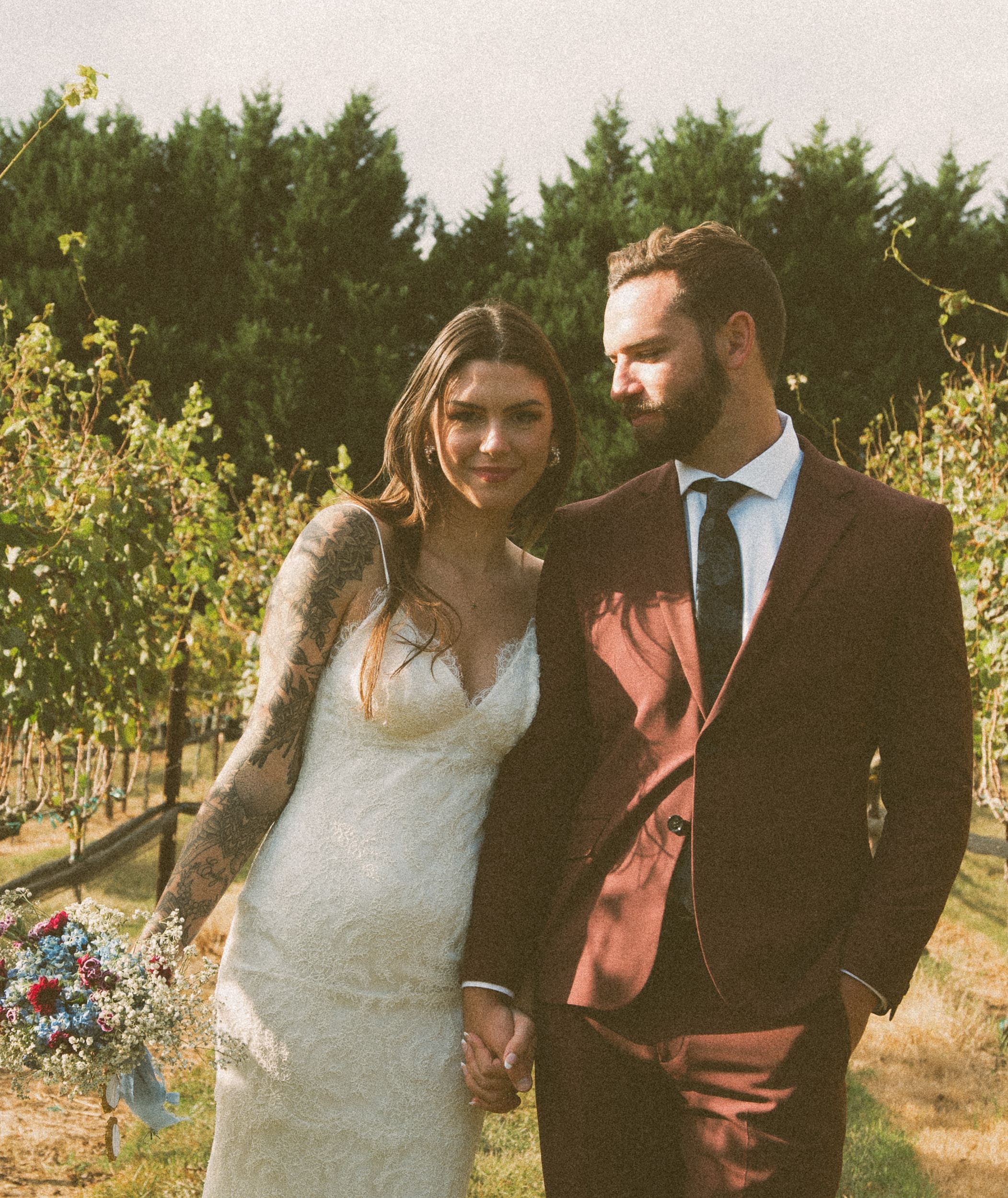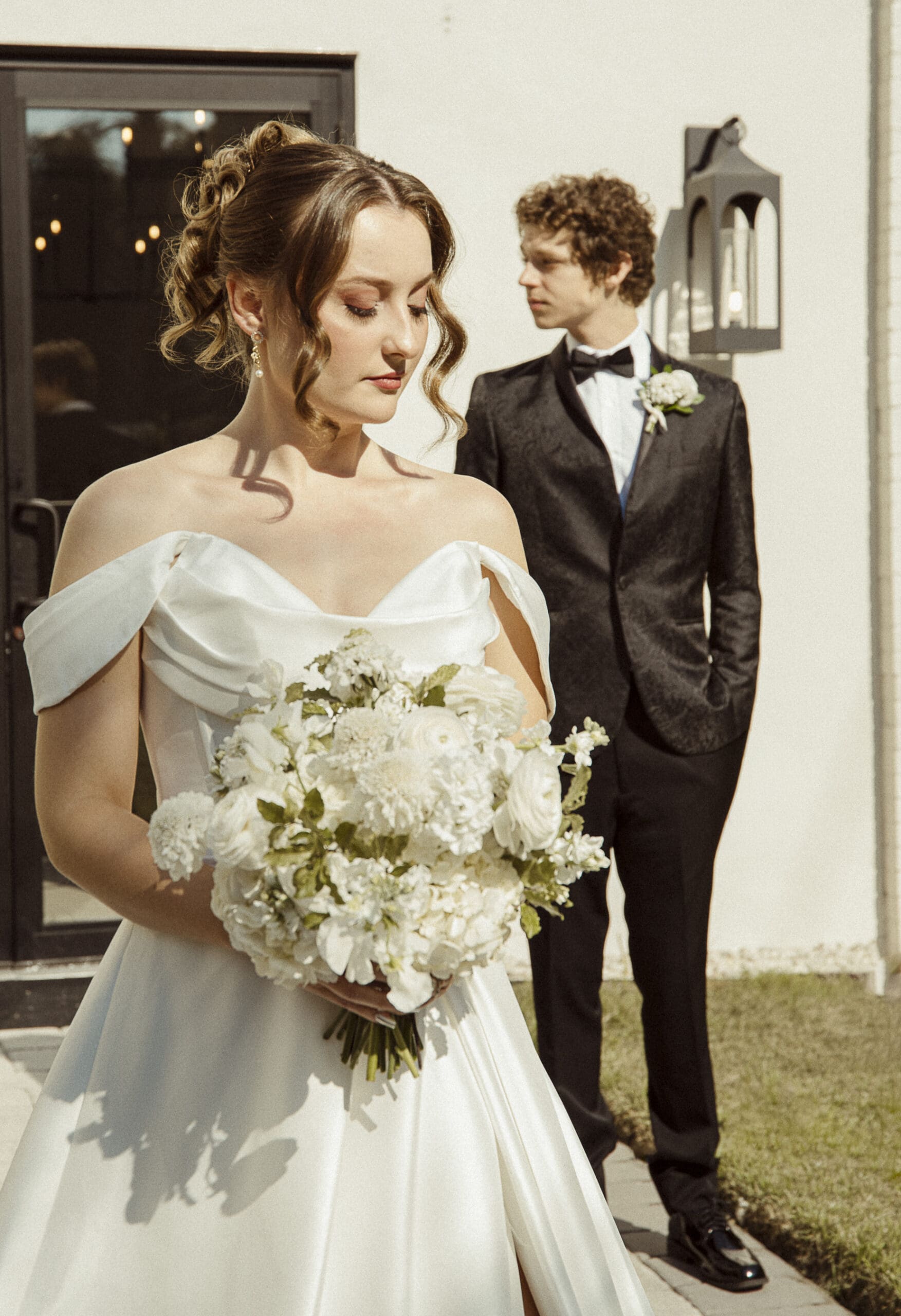
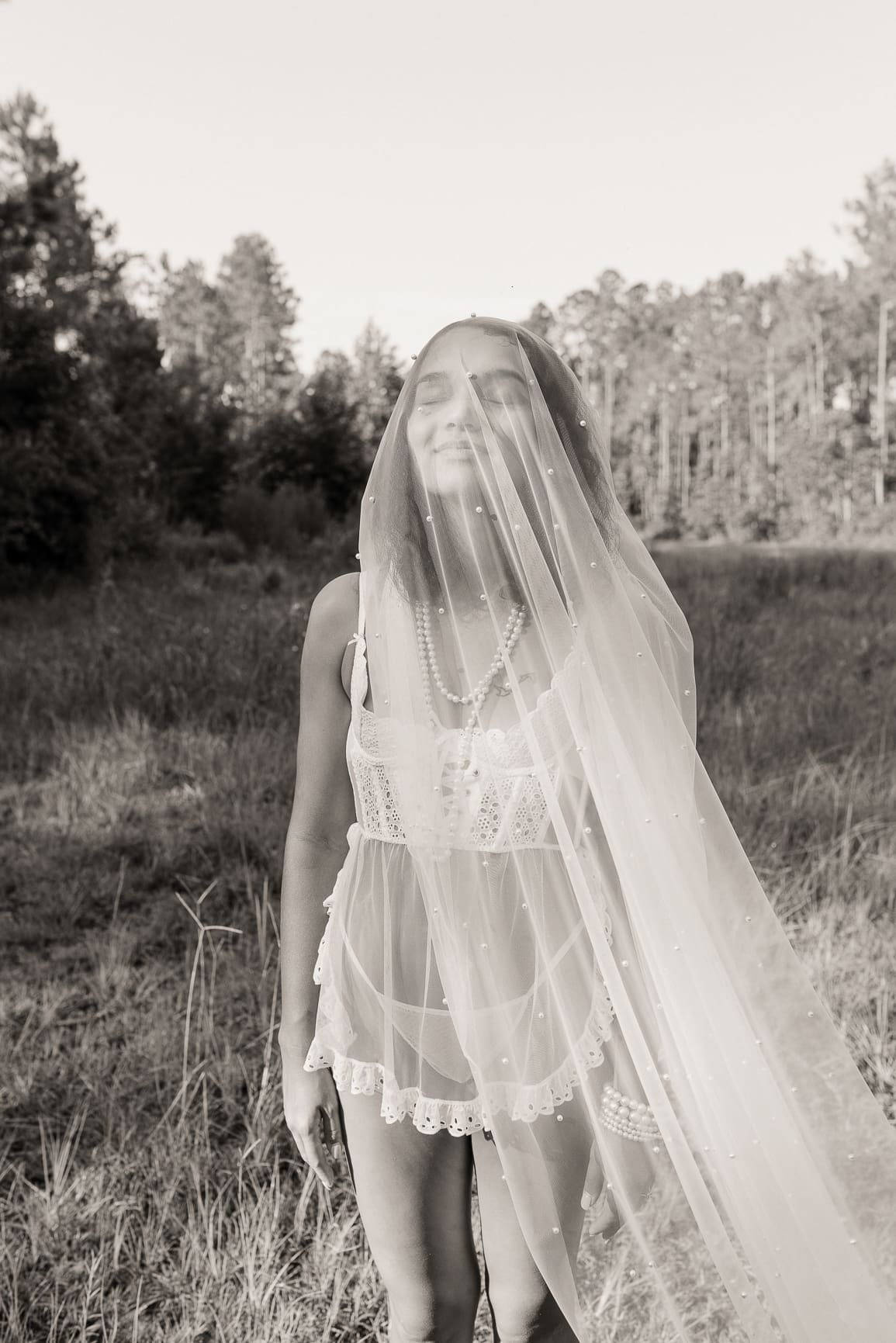
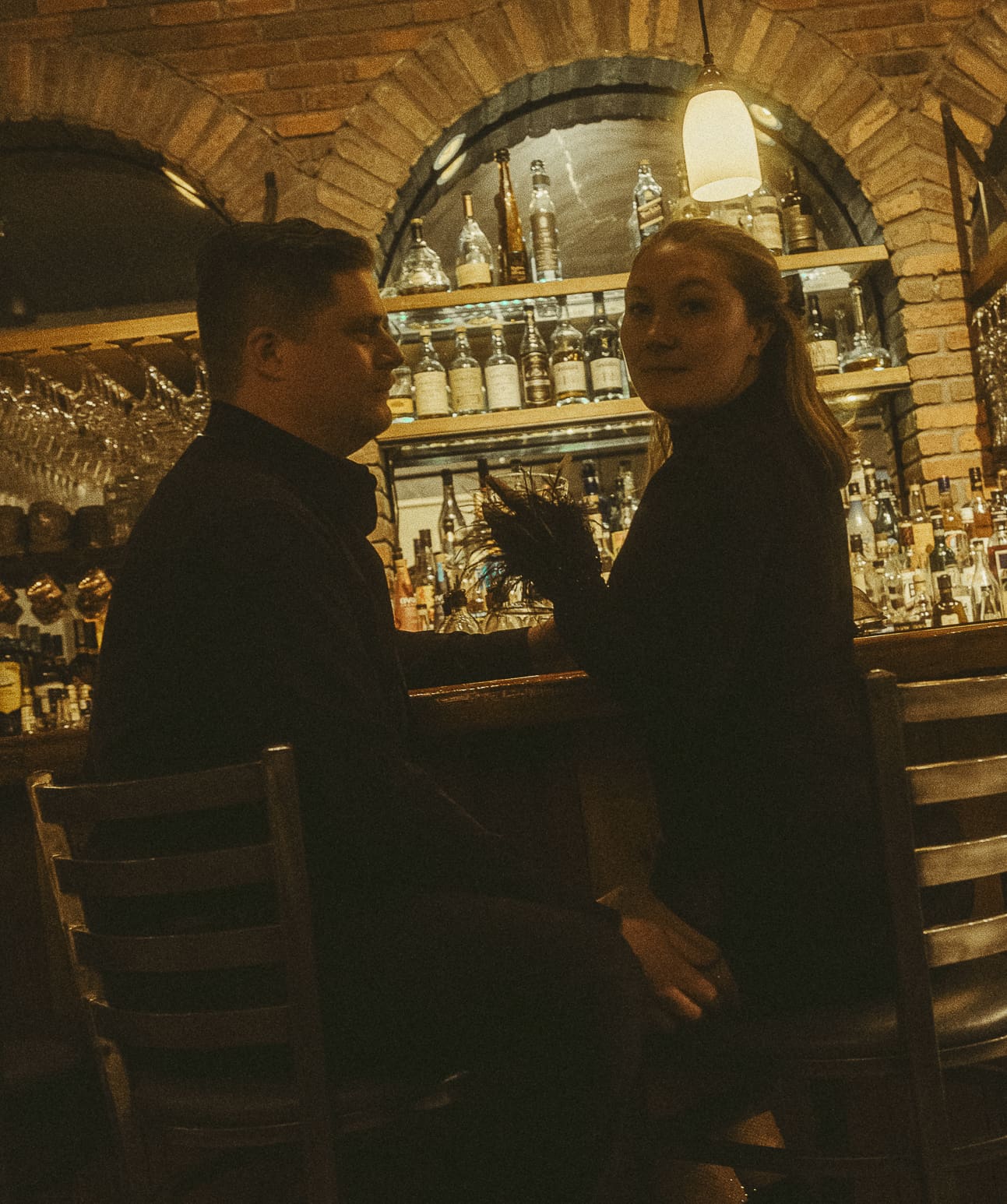
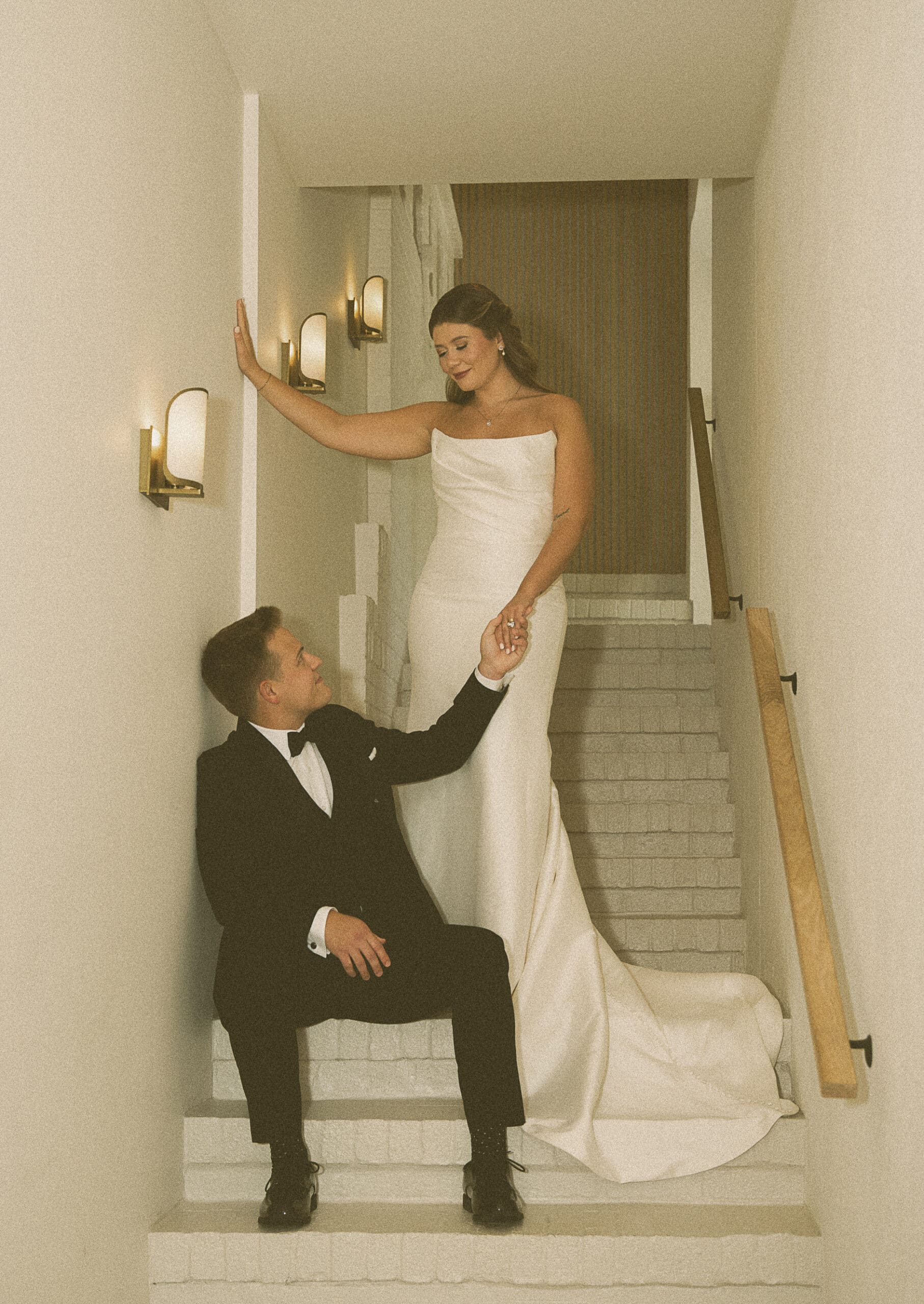
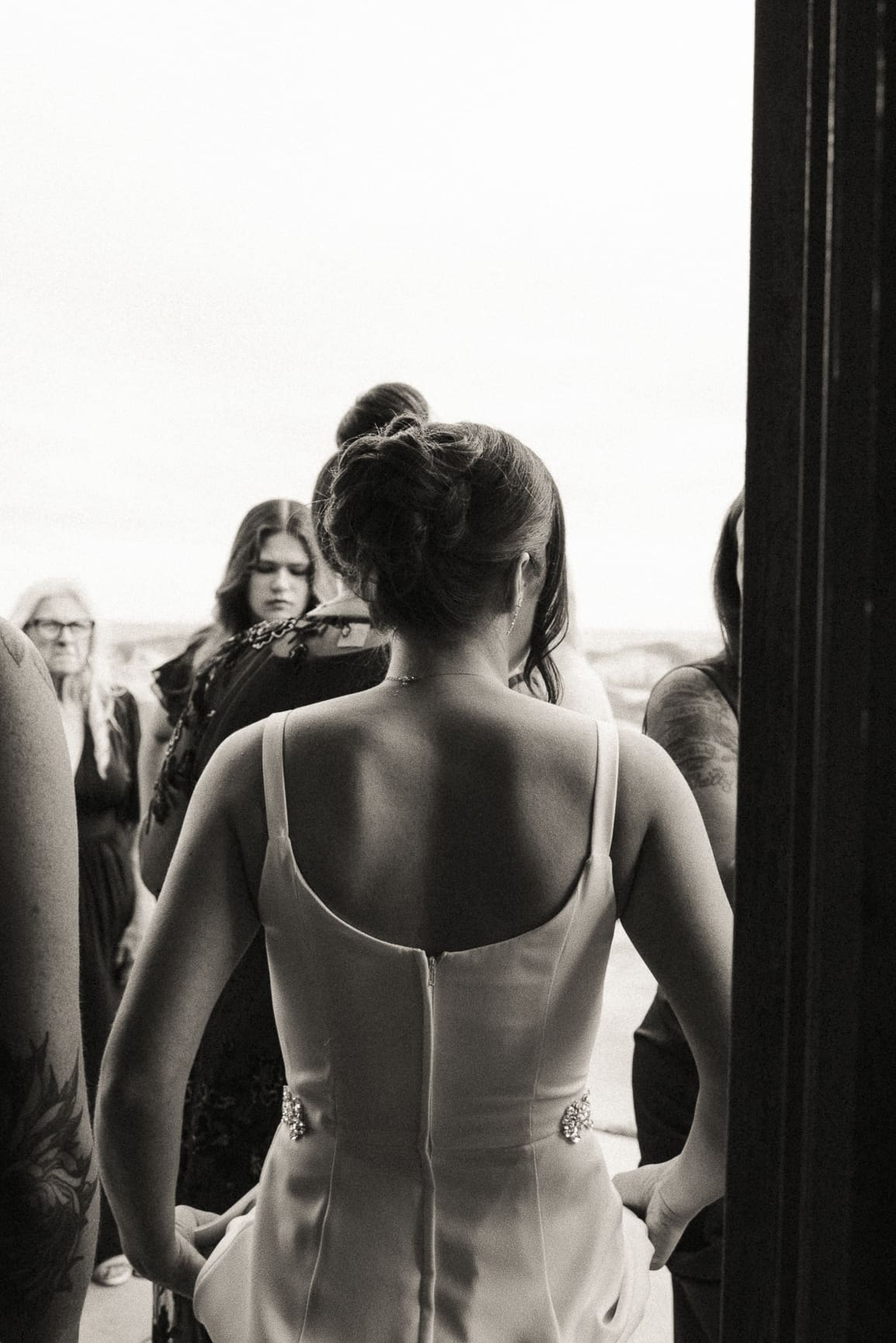
Editorial wedding portraits are guided with intention- designed to feel expressive and natural, rather than stiff or overly posed. Because your wedding photos shouldn’t look like everyone else’s- they should look like art you can feel.
Let’s Get One Thing Straight
Editorial wedding photography isn’t about being stiff, staged, or emotionless. It’s about intention.
It’s about crafting moments that look effortless but are rooted in artistic vision, lighting mastery, and human emotion.
Anyone can point a camera at a couple in love. But an editorial photographer? They know how to design a frame. They understand posture, shape, light, and storytelling. They know when to step in and direct- and when to let the moment breathe.
You’re not hiring someone to stand back and hope something magical happens. You’re hiring someone who knows how to make it happen.
Candid vs. Editorial: What’s the Difference, Really?
Let’s break the myth: “candid” doesn’t automatically mean “authentic,” and “posed” doesn’t automatically mean “fake.”
A candid shot might capture a laugh, but an editorial portrait captures essence. It’s designed to feel alive while looking visually intentional- balanced, cinematic, elevated.
Candid photography is reactive. Editorial photography is visionary. Both matter, but they serve different purposes:
- Candid: Documentation- what happened.
- Editorial: Interpretation- how it felt, and how it deserves to be remembered.
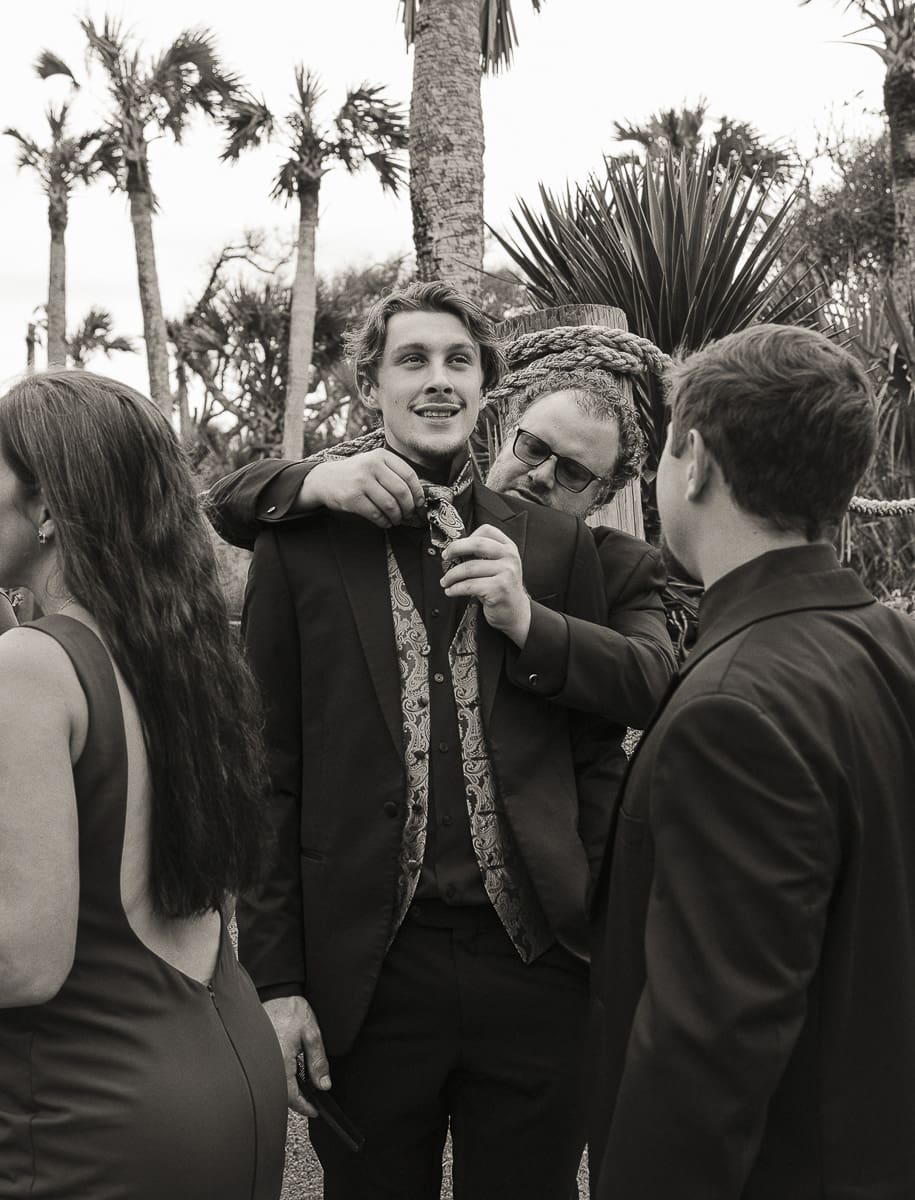
An editorial photographer knows how to blend both- capturing the raw, unscripted energy and transforming it into something that belongs in print.
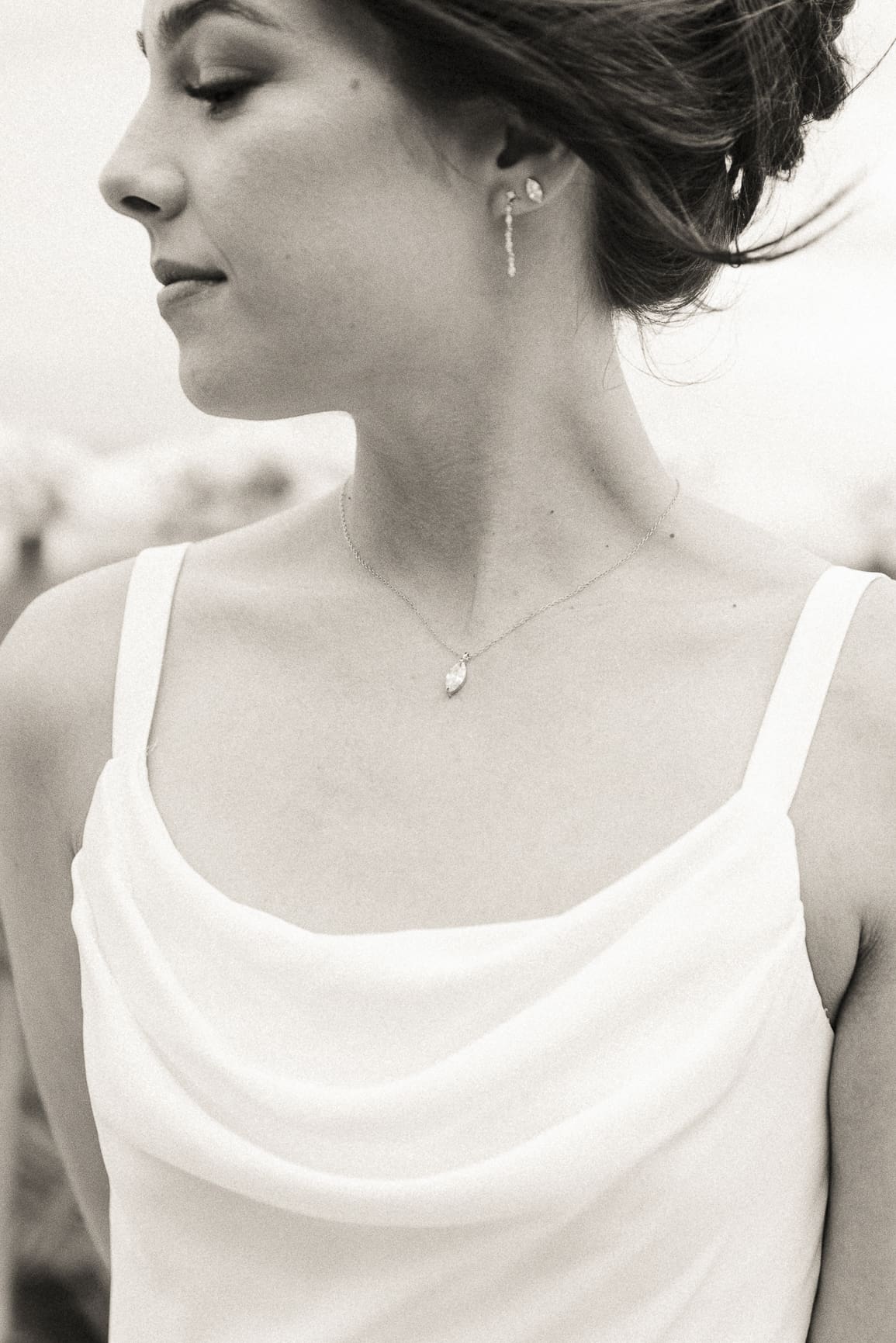
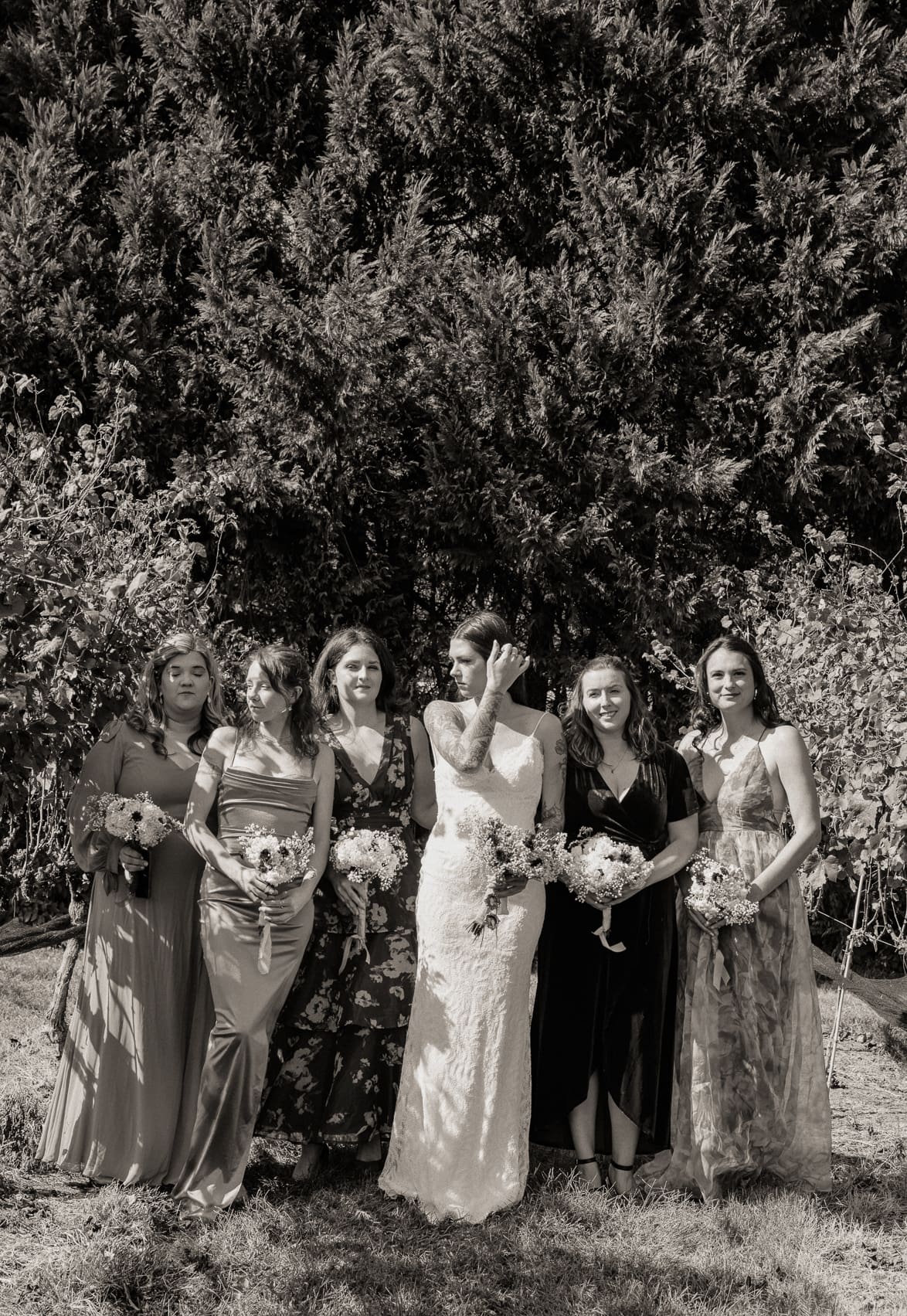
Why Editorial Portraits Matter
The editorial approach gives you space to breathe, play, and connect. It’s not about looking perfect; it’s about looking powerful.
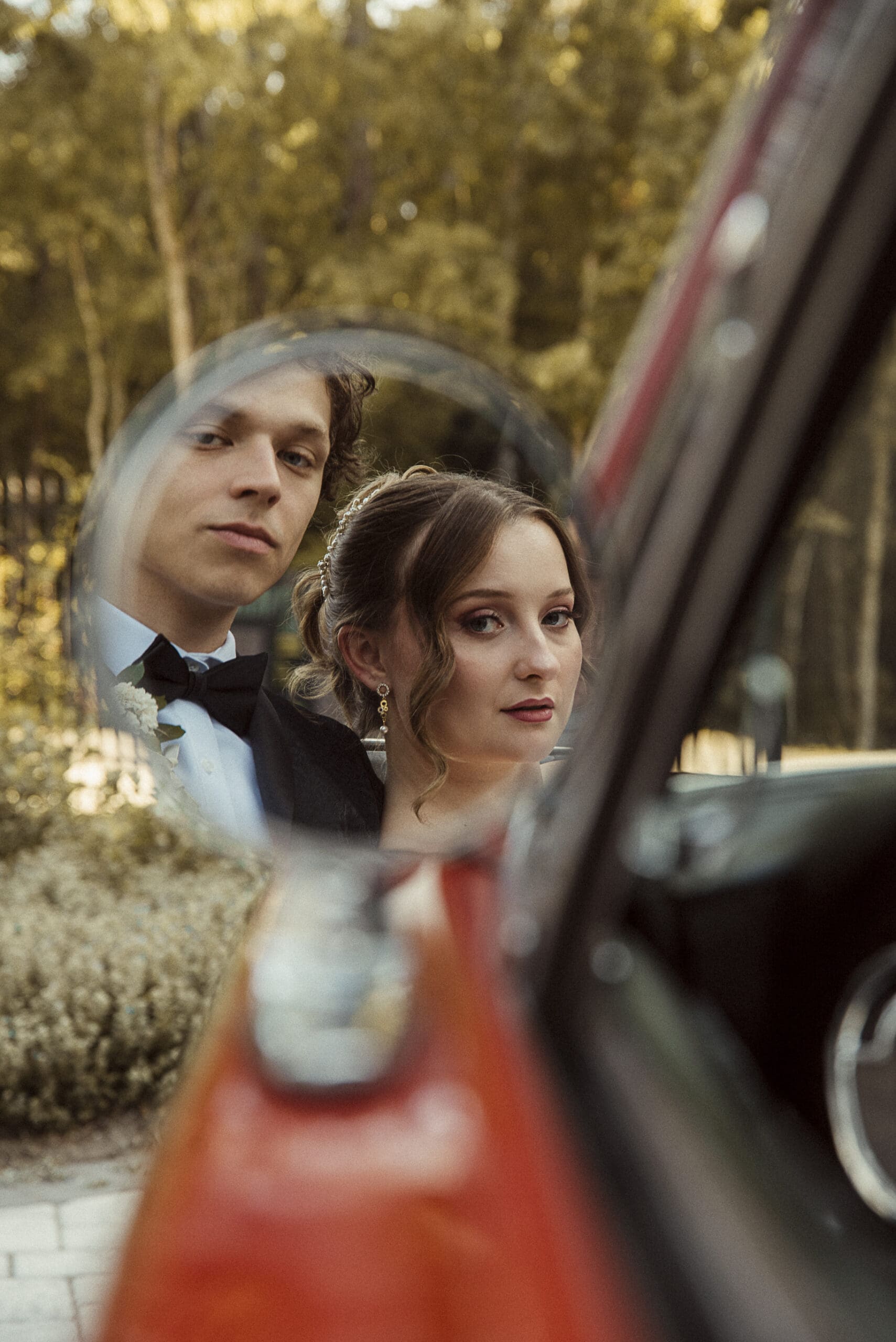
These moments aren’t forced smiles- they’re cinematic. They feel like the in-between frames of a movie: intimate, electric, intentional.
Editorial Portraits:
- Highlight your chemistry, not just your outfits.
- Turn emotion into composition.
- Balance direction with movement.
- Give you timeless, art-driven photos that won’t age with trends.
When you carve out space in your timeline for this kind of work, you’re giving your photographer time to create- not just capture.
Much of this freedom comes from timelines that allow space- something I explore in How to Build a Wedding Timeline That Gives Space for Editorial Portraits.
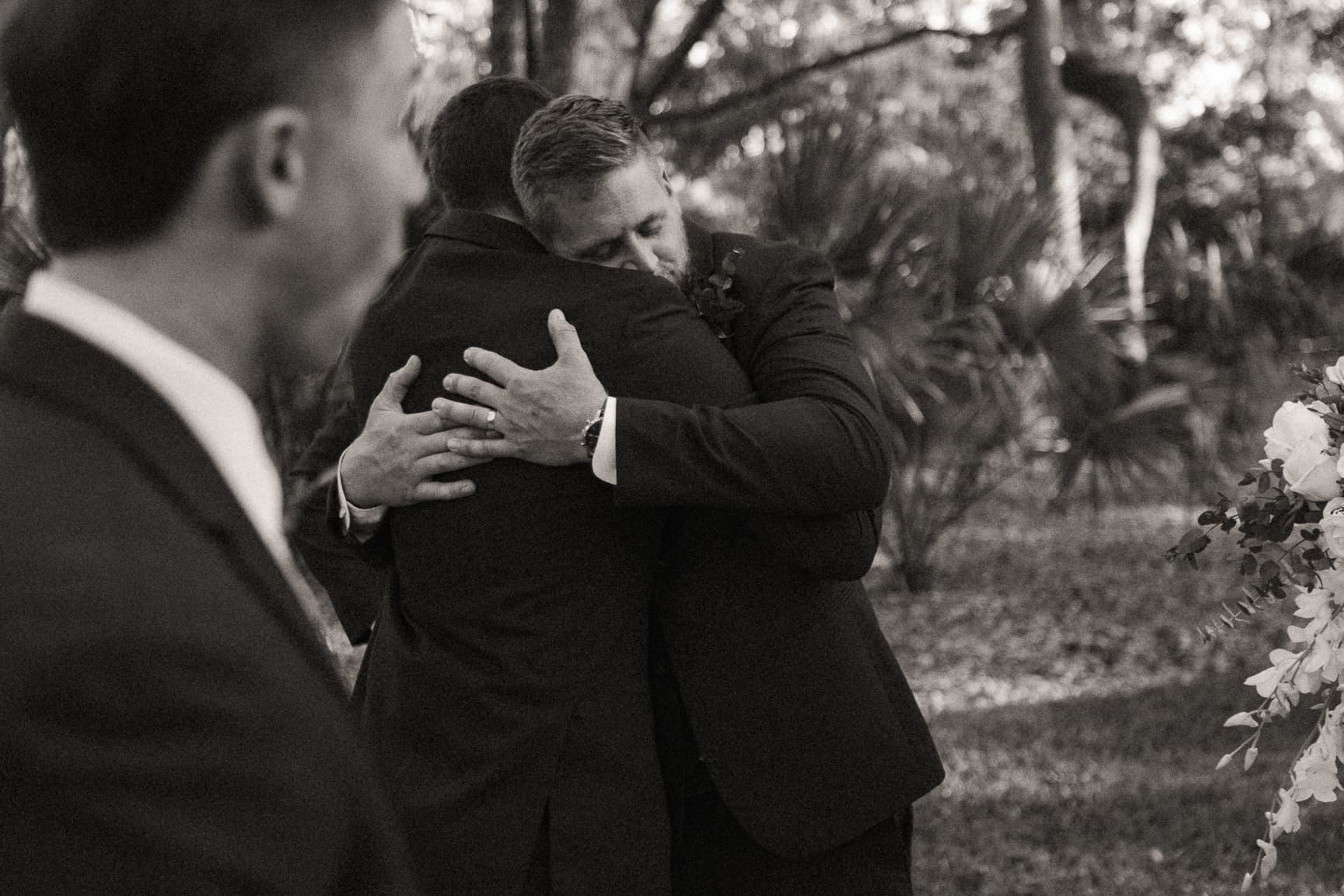
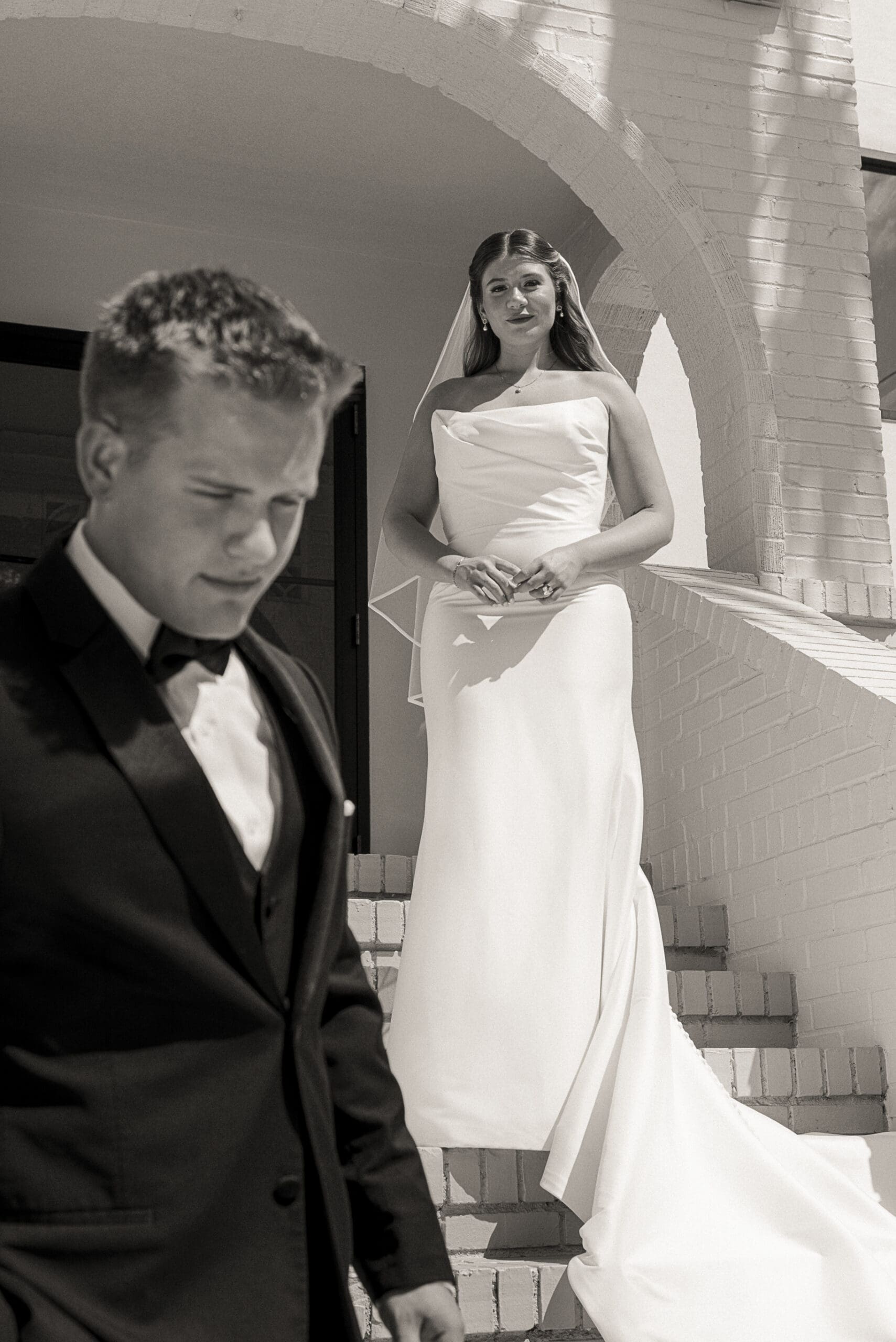
The Skill Behind the Vision
Here’s the truth: editorial photography requires technical precision. You can’t fake this level of mastery.
Lighting, posing, lens choice, and composition all converge in seconds.
We’re watching how a veil catches the wind, how the sunlight hits your cheekbone, how the reflection off a car window creates a flare worth chasing. We’re reading your energy- knowing when to give direction and when to let connection unfold.
1. Mastering the Light
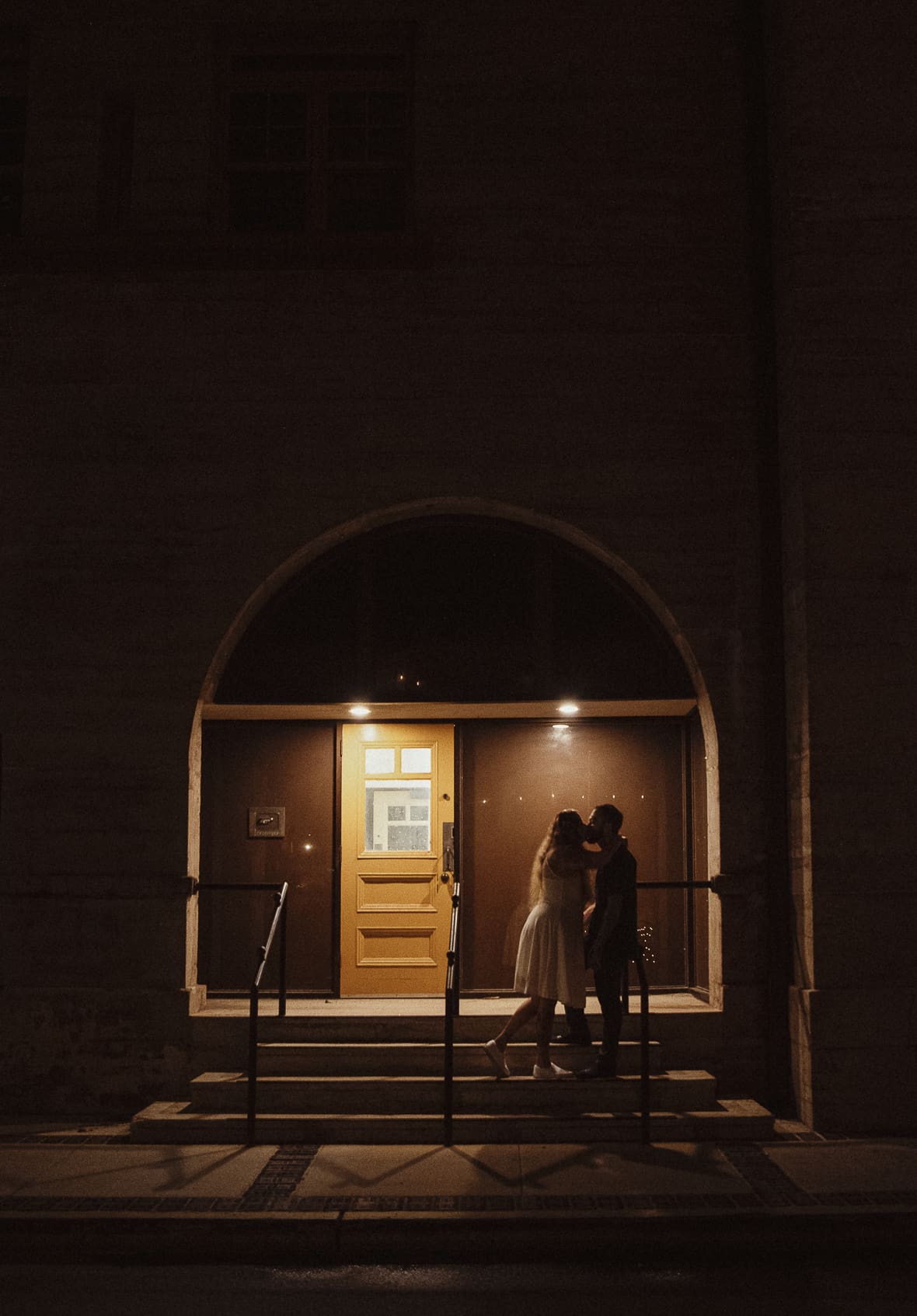
A photographer who understands editorial work doesn’t just chase light- they sculpt it. They can shoot in harsh mid-day sun, twilight, or a dimly lit bar, and every frame still feels intentional. They use contrast, depth, and movement to elevate emotion into fine art.
2. Directing Without Over-Posing
True direction isn’t about control- it’s about refinement. It’s creating angles that flatter while still feeling real. It’s knowing how to position two people so their connection translates through posture, breath, and gaze.
An editorial photographer doesn’t “pose.” They choreograph.
3. Reading the Room
Every wedding has an energy. Sometimes it’s chaos; sometimes it’s tenderness.
A good photographer reads that energy instantly- knowing when to lead, when to vanish, and when to bend the rules to get something extraordinary.
Why “Natural” Doesn’t Mean “Unplanned”
There’s this obsession with everything being “natural,” as if direction ruins authenticity. But here’s the truth- the most natural photos are often the most intentionally built.
When I step into a frame, I’m thinking about symmetry, storytelling, color, and composition. I might tell you where to stand or how to move your hand, but I’m also waiting for you to sink into it, to make it real.
The goal isn’t to stage a moment- it’s to create a container for emotion to unfold beautifully.
That’s how the photos you feel come to life.
Why Editorial Style Ages Better
Trends fade fast. Editorial imagery doesn’t.
Flash photography, cinematic lighting, bold composition- these things have been timeless for decades because they’re grounded in artistry, not aesthetics.
A few years from now, moody greens or desaturated tones might look outdated. But true editorial work? It will always feel current because it’s crafted with purpose.
When you choose an editorial photographer, you’re choosing art over algorithm. You’re choosing to be remembered, not filtered.
How I Create Editorial Portraits on a Wedding Day
The editorial process starts before the wedding day ever begins.
- Pre-Planning: I look at your timeline, light direction, and venue architecture. I think about texture, reflection, and palette.
- Connection: On the day itself, I prioritize energy. I get you comfortable, laughing, breathing, moving- because art requires openness.
- Intentional Space: I build moments into your schedule that let me create without rush. Whether that’s a 15-minute portrait window after ceremony or a late-night flash session downtown, those pockets of time are where magic happens.
- Execution: I’ll direct you like I’m composing a frame- a hand placement here, a breath there- then step back and let instinct take over.
- Refinement in Post: Editing is where tone and emotion solidify. My goal isn’t to make it look trendy; it’s to make it feel cinematic, timeless, alive.
Editorial photography isn’t about control- it’s about collaboration. I’m not capturing for you. I’m creating with you.
Behind the Scenes: The Duality of the Artist
There’s a reason editorial photographers charge more- it’s not just skill; it’s vision.
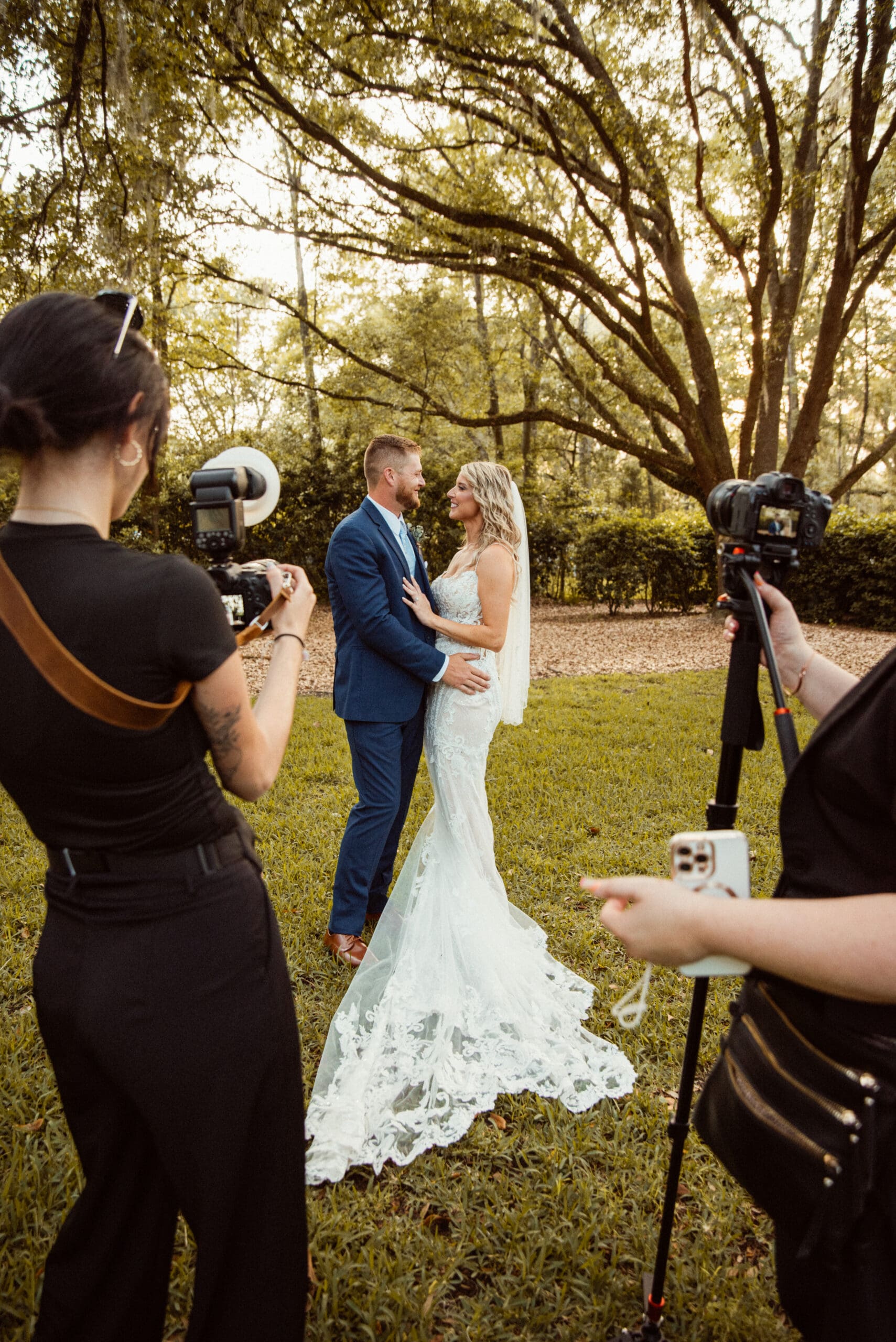
We’re constantly balancing precision with instinct. We’re assessing light while reading your body language, anticipating laughter while keeping composition perfect, switching lenses mid-moment without missing a beat.
Every photo is a thousand micro-decisions made in real time. That’s why your gallery feels intentional– because it is.
Red Flags: When “Editorial” Isn’t Actually Editorial
This style has become trendy, which means plenty of photographers slap the word “editorial” on their site without really knowing what it means.
- They rely solely on flash or blur trends to look “edgy”
- They don’t understand posing or direction- leaving couples stiff or awkward
- Their editing feels over-processed, sacrificing quality for style
- Their galleries lack diversity in lighting or composition
If it looks repetitive, it probably wasn’t created– it was copied. Editorial photography should feel alive, not templated.
What to Look For in an Editorial Photographer
- Consistent lighting and tones across full galleries
- Variety in locations, poses, and moods
- Confident direction that doesn’t feel forced
- A mix of intentional portraits and organic, emotion-driven frames
- An editing style that enhances, not hides, the emotion.
Ask to see a full wedding gallery, not just highlights. That’s where you’ll see their technical range and ability to tell a complete story.
At the Heart of It All
Editorial wedding photography isn’t about ego or aesthetic- it’s about elevation. It’s for couples who crave more than documentation. It’s for the ones who to feel seen in their photos- not just captured, but celebrated.
If you want photos that look like they could live in a magazine but still feel like you, you’re in the right place.
If you’re looking for an editorial wedding photographer in St. Augustine who directs with intention, reads the room, and creates art that feels alive-
+ view the comments