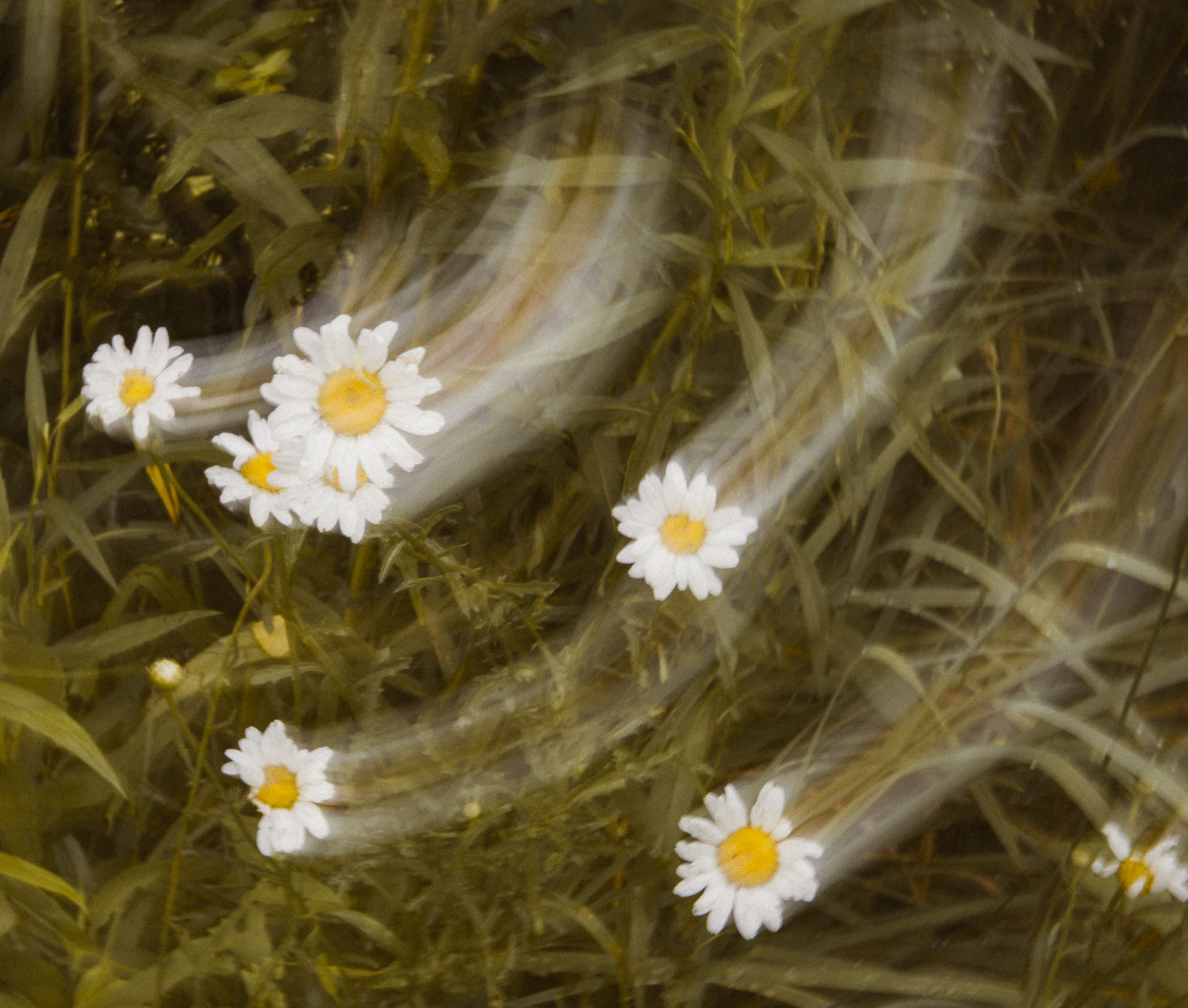
Some mornings, I don’t leave the house with a plan.
I leave because something in me feels restless.
On this particular morning, the Florida heat was already settling in, the kind that tells you you only have a small window before the day becomes too loud, too bright, too much. I grabbed my camera and wandered my neighborhood- tucked along the intracoastal waters of St. Augustine- letting my body lead instead of my brain.
That’s when I saw them.
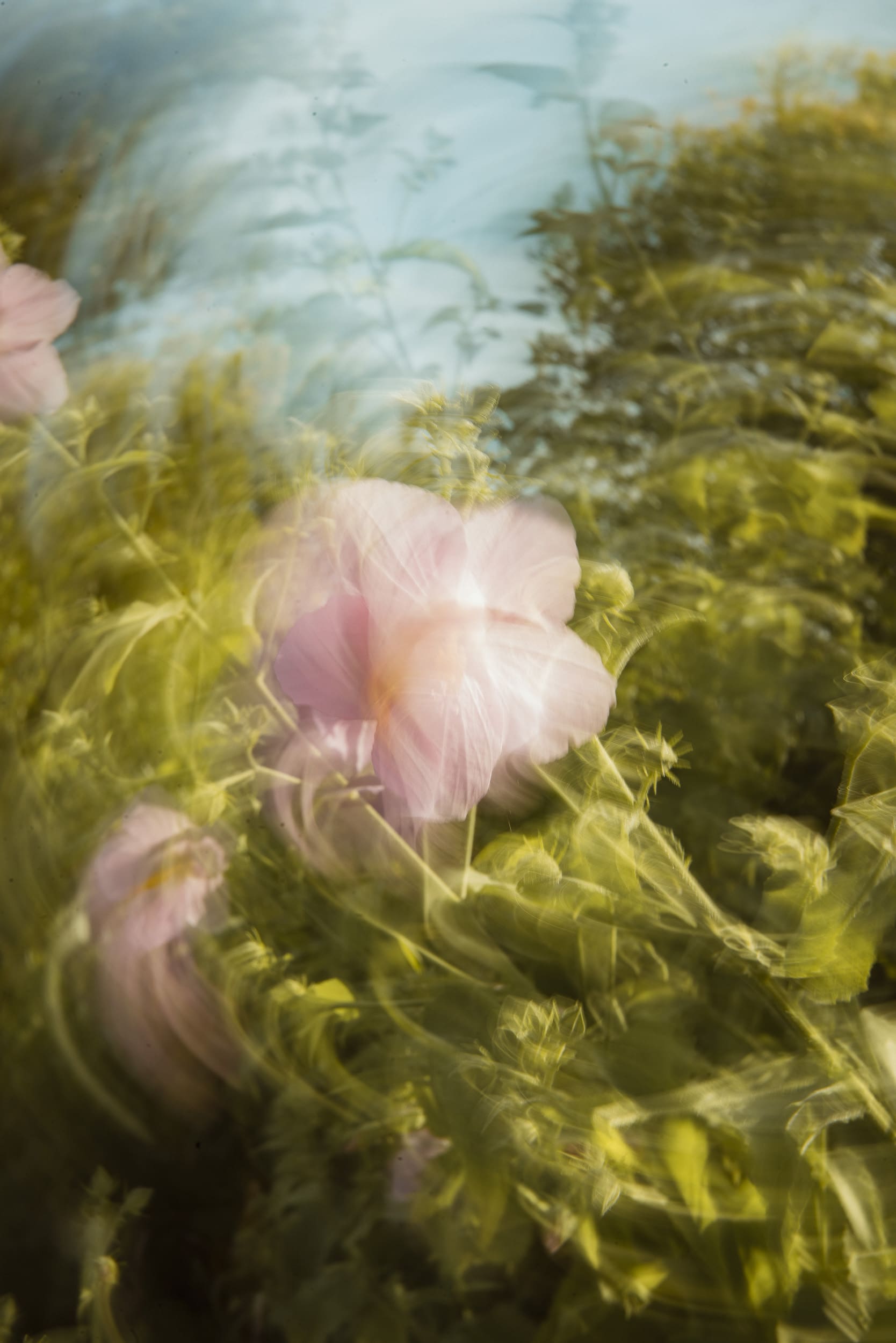
Soft pink and purple flowers standing tall along the water’s edge, delicate against a mostly neutral backdrop. Beautiful, yes- but I didn’t want to photograph them the expected way. I wanted to feel them.
So I tried something different.
When Photography Starts to Feel Like Painting
The technique itself is simple, but the outcome never is.
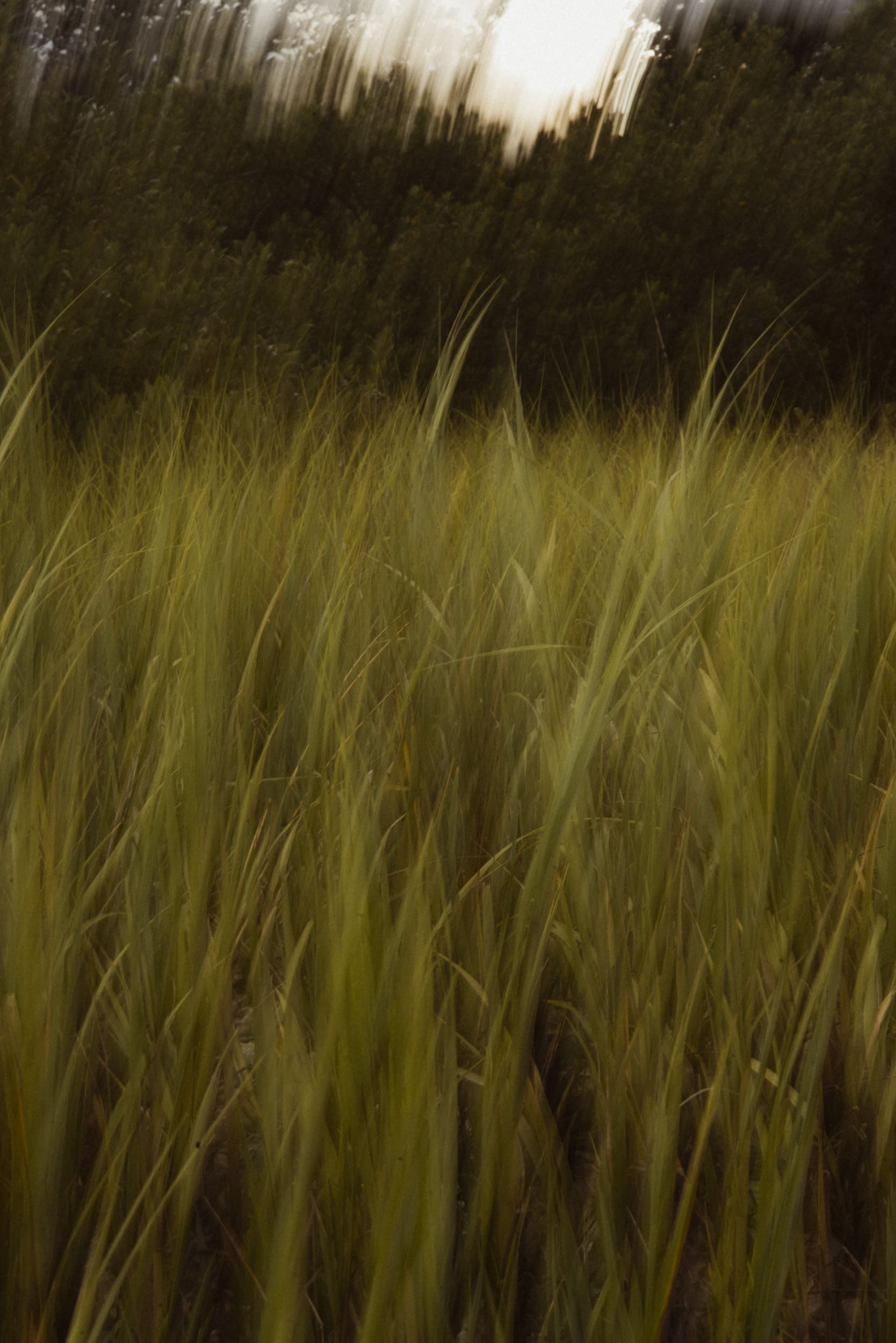
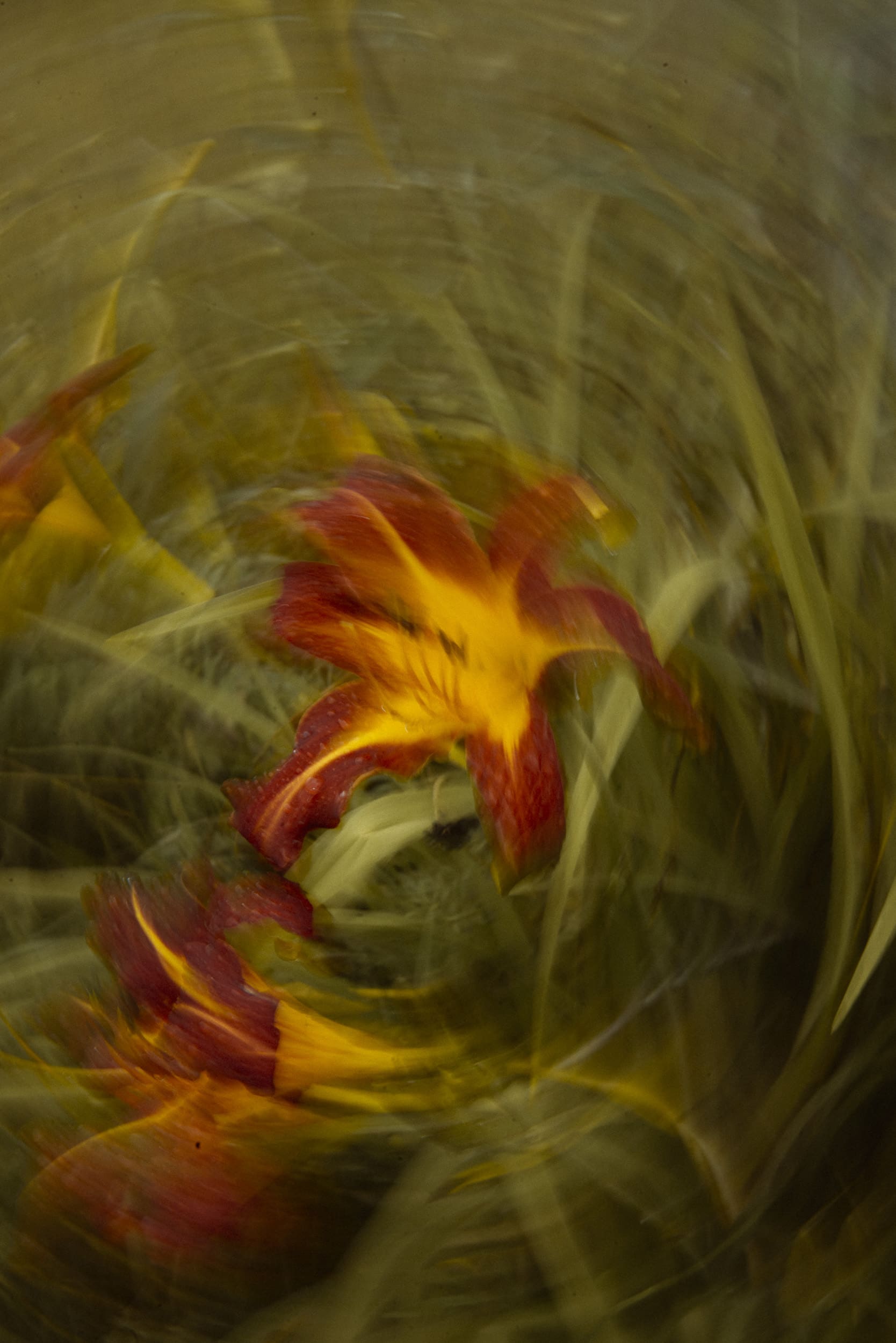
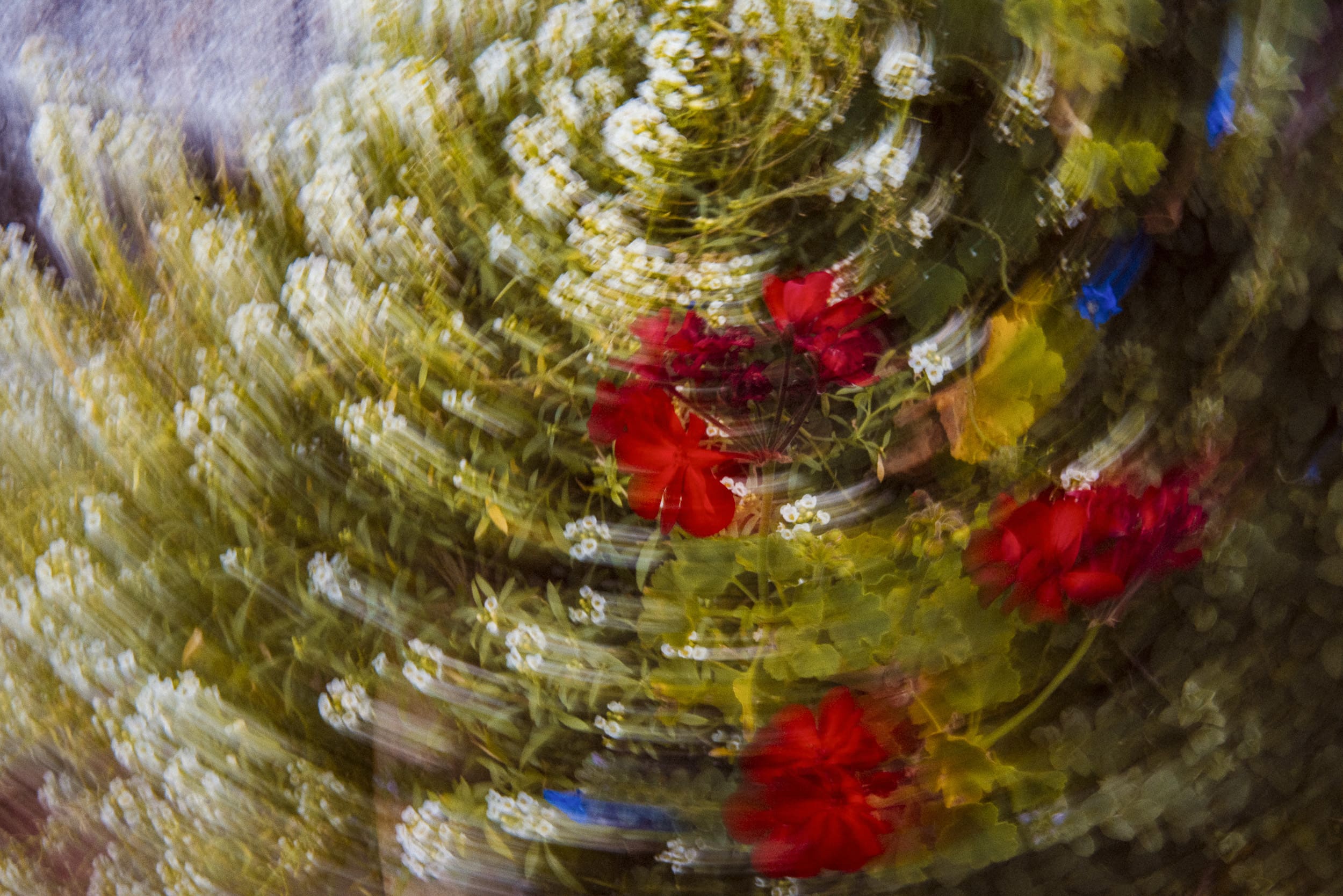
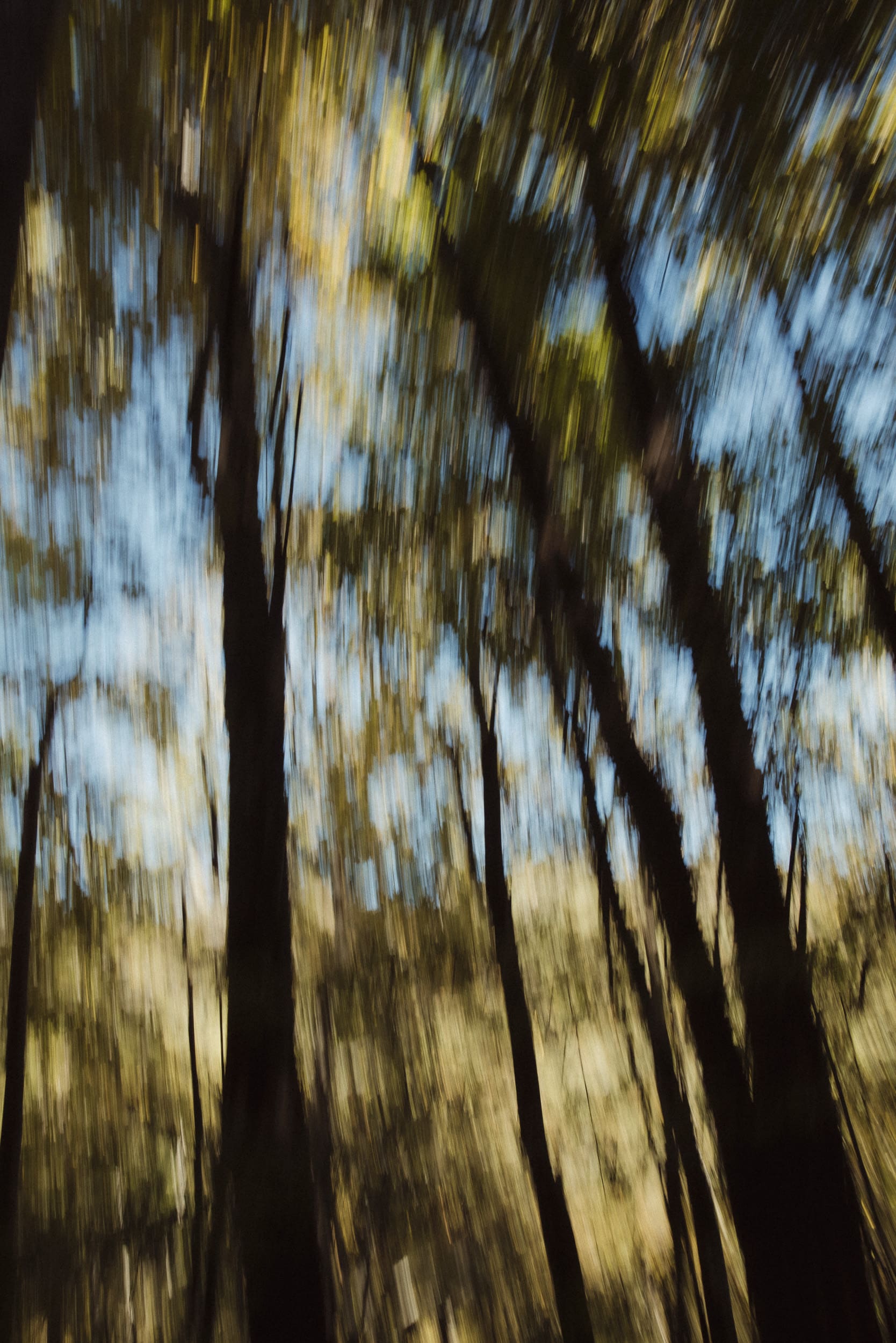
These images are shot handheld. I look for a bold color living inside an otherwise quiet scene. I stop down my aperture, slow my shutter, press the shutter release- and then I move. Sometimes I shake the camera gently. Sometimes I drag it. Sometimes I create a circular motion, almost like drawing with my body instead of my hands.
There’s no guarantee.
No formula.
No promise that the image will work.
And that’s the point.
What comes out on the back of the camera is always a surprise. Sometimes the frames I expect to love fall flat. Other times, the ones I nearly discard end up holding the most emotion. It’s a process built on trust- trusting instinct over perfection, curiosity over control.
Play Over Perfection
Photography is often taught as something rigid. Technical. Precise. And while technical understanding matters– it’s the foundation that allows freedom- I’ve found that my most meaningful work doesn’t come from overthinking.
It comes from play.
My mind and body instinctively know how to move the camera to chase the feeling I’m after. That instinct is shaped by years of shooting, yes- but it’s fueled by something much softer: childlike curiosity, experimentation, and the willingness to let go of the need for sharpness or certainty.
Not everything needs to be tack-sharp to be powerful.
Not everything needs to be perfect to be felt.
Why This Matters Beyond Personal Work
These images aren’t just personal experiments. They’re part of how I stay creatively alive.
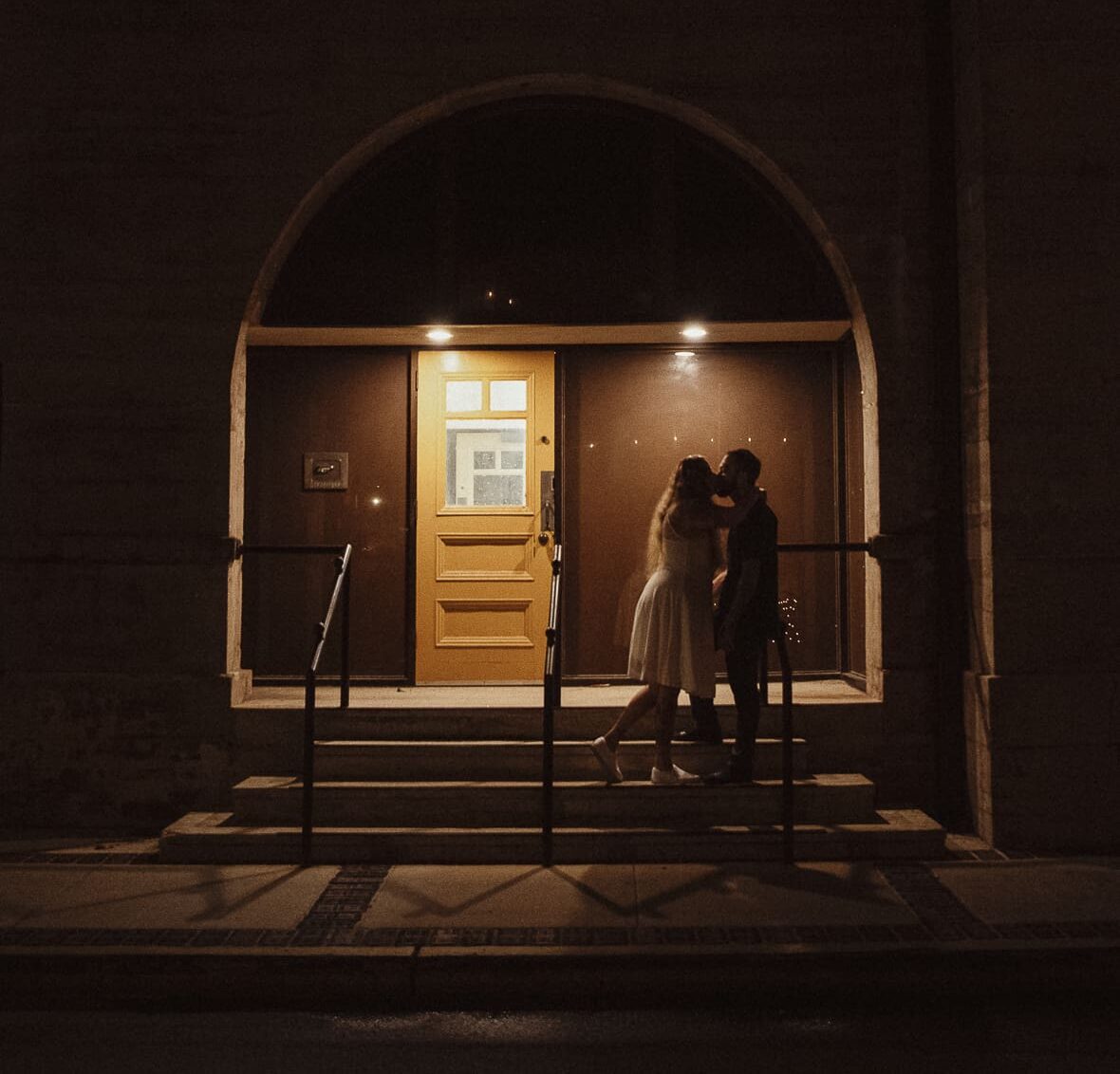
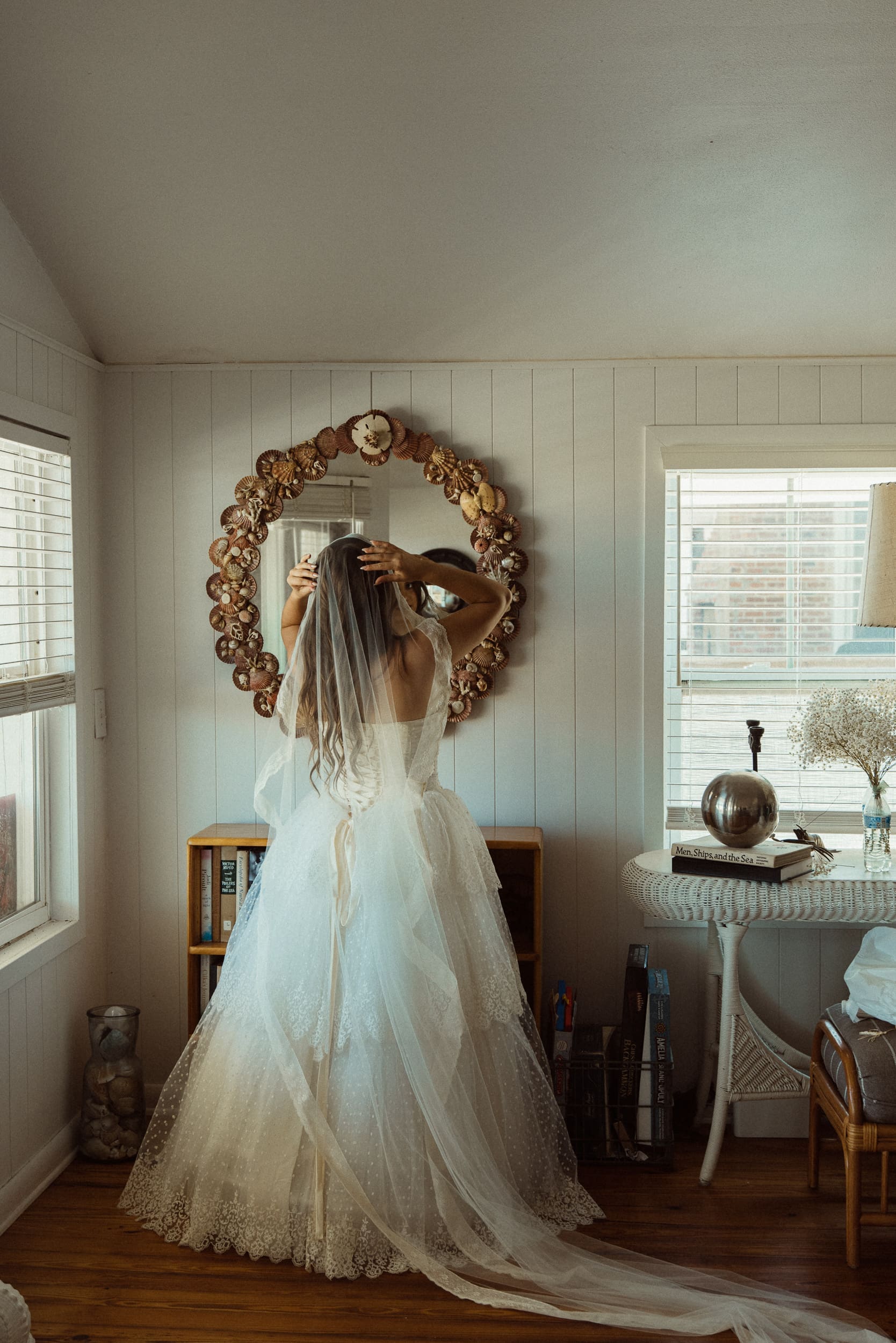
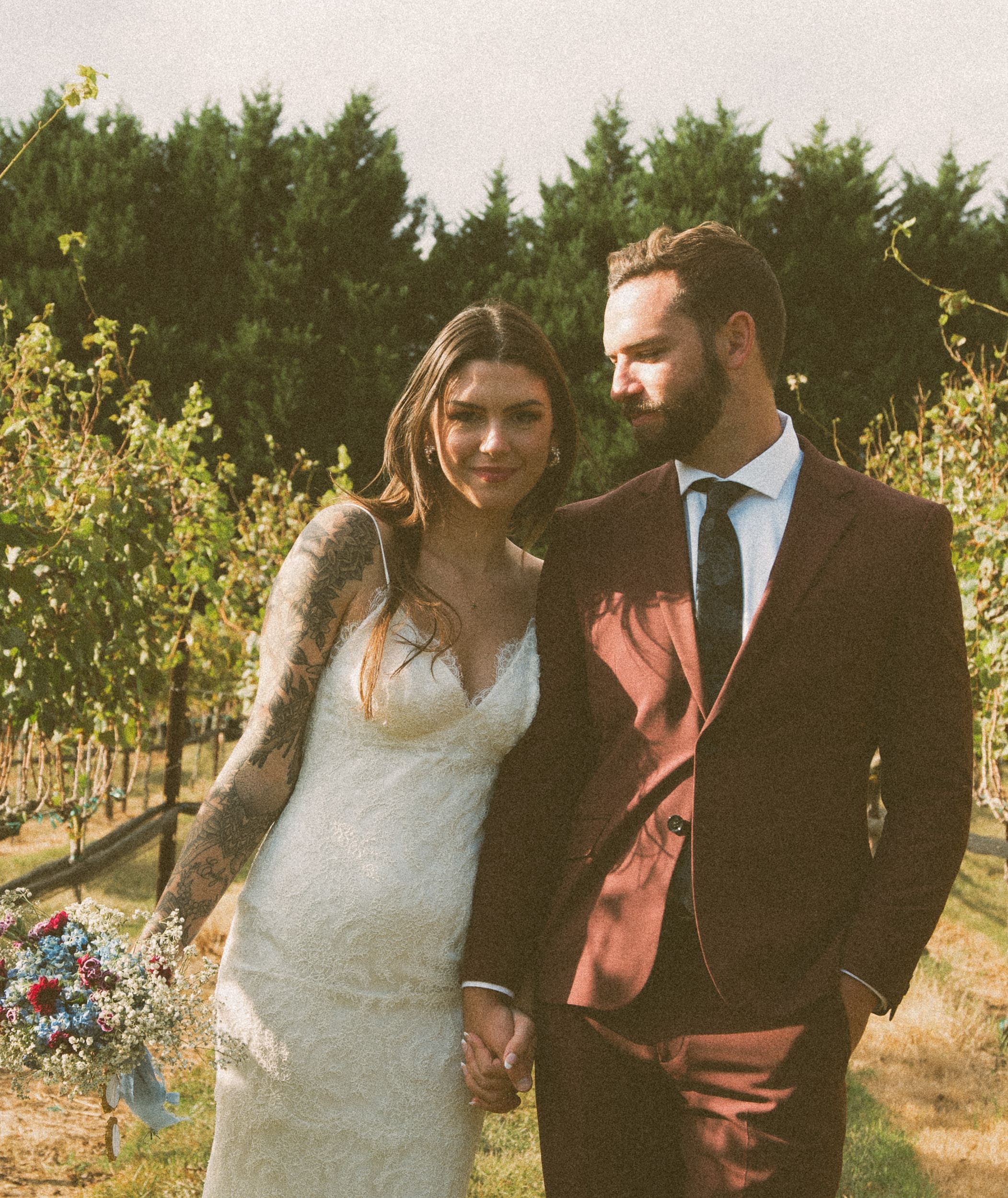
Creating this way fuels my confidence to experiment on wedding days– to move between documentation, editorial direction, and something more abstract when the moment calls for it. It’s why my clients don’t just receive a record of what happened, but images that evoke something when they look back.
I’m not only a documenter.
I’m a storyteller.
An observer.
A director.
An artist.
This practice reminds me that emotion drives how we experience photographs far more than technical perfection ever will.
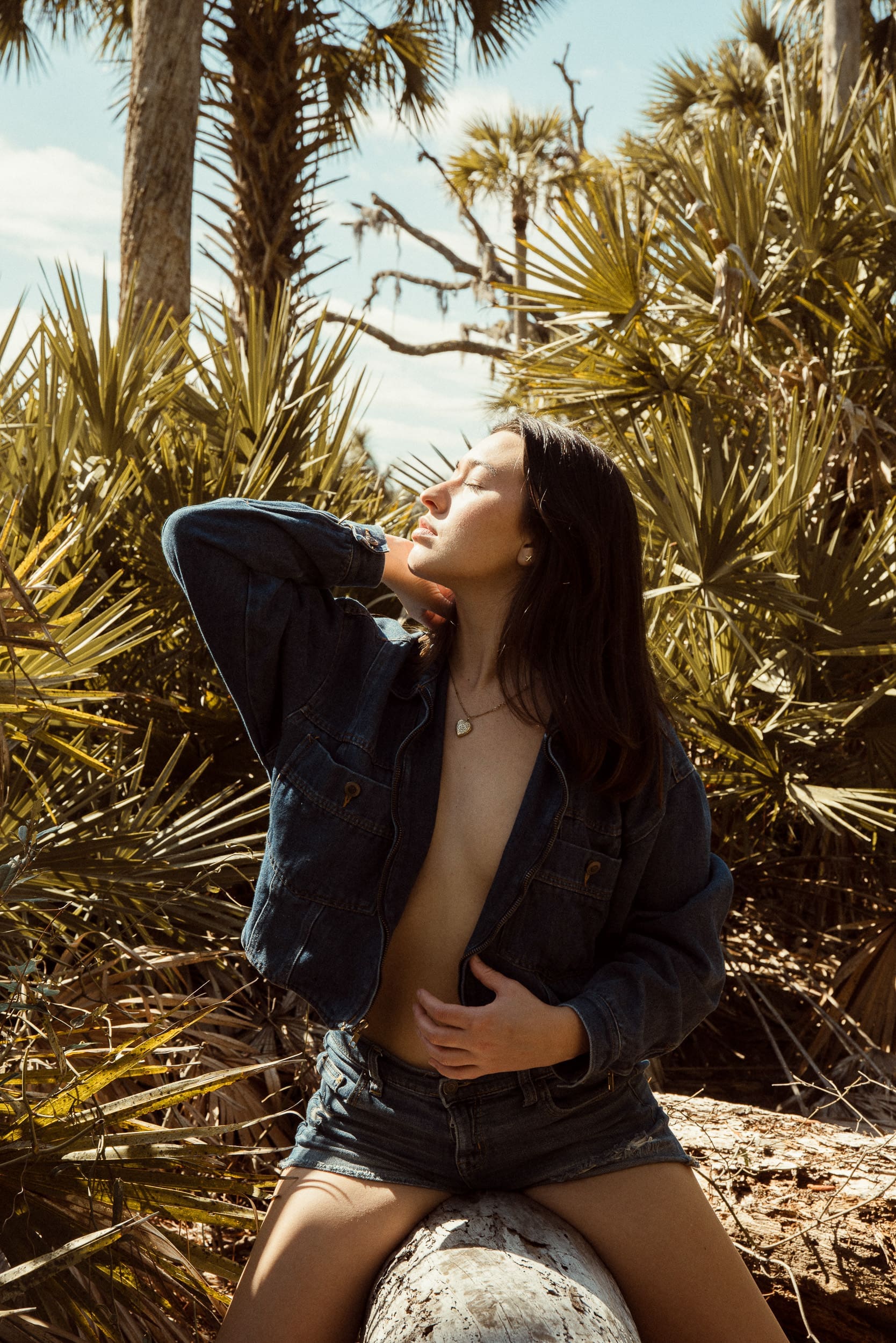
That same instinct-led approach shows up in my embodiment photography as well, where movement, emotion, and presence matter more than perfection.
Letting Yourself Feel First
At the end of the day, art isn’t about rules- it’s about resonance.
We’re drawn to images that make us pause.
That stir something familiar or unexpected.
That make us feel before we understand why.
If there’s one thing I hope these photo paintings invite, it’s permission. Permission to play. To move. To let go of the pressure to make everything sharp, clean, or technically flawless. To trust that your body knows how to create long before your brain tries to intervene.
Because sometimes the most honest work happens when you stop trying to control the outcome- and simply let yourself respond to what’s in front of you.
This way of creating is woven into everything I photograph- whether I’m documenting a wedding day, guiding an embodiment session, or wandering with my camera simply for the sake of curiosity.
If you’re drawn to images that feel expressive, intuitive, and emotionally driven rather than rigid or overly posed, you’ll likely feel at home in my work.
I share more of my personal projects, creative experiments, and behind-the-scenes moments on Instagram– where the process is just as celebrated as the final frame.
+ view the comments