No wedding day is actually effortless. Here’s what’s really happening behind the photos that look like it was.
The Word Everyone Uses Wrong
“Effortless” is the most requested word in this industry, and it’s the most misunderstood.
Couples send me Pinterest boards captioned “effortless vibes” and mean something specific: photos that don’t look posed, don’t look stiff, don’t look like a photoshoot happened at all. They want to look like they simply lived their wedding day and a camera happened to be nearby.
Here’s the part nobody tells you: that look is the most engineered thing in wedding photography. Not staged – engineered. There’s a difference, and it’s the whole game.
Reading the Room Before I Ever Lift the Camera
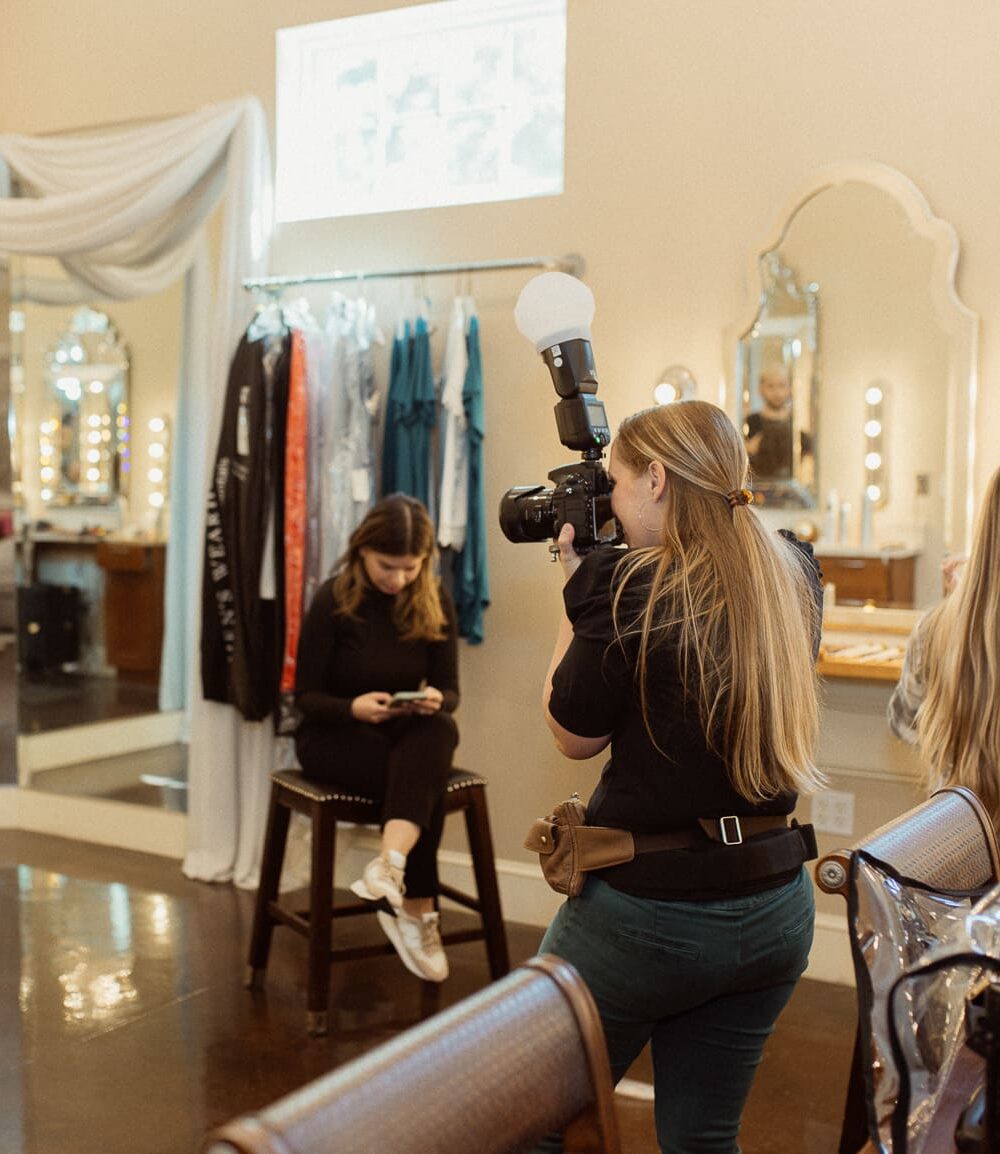
I can feel a wedding’s pulse the second I walk in the door, before a single frame is shot.
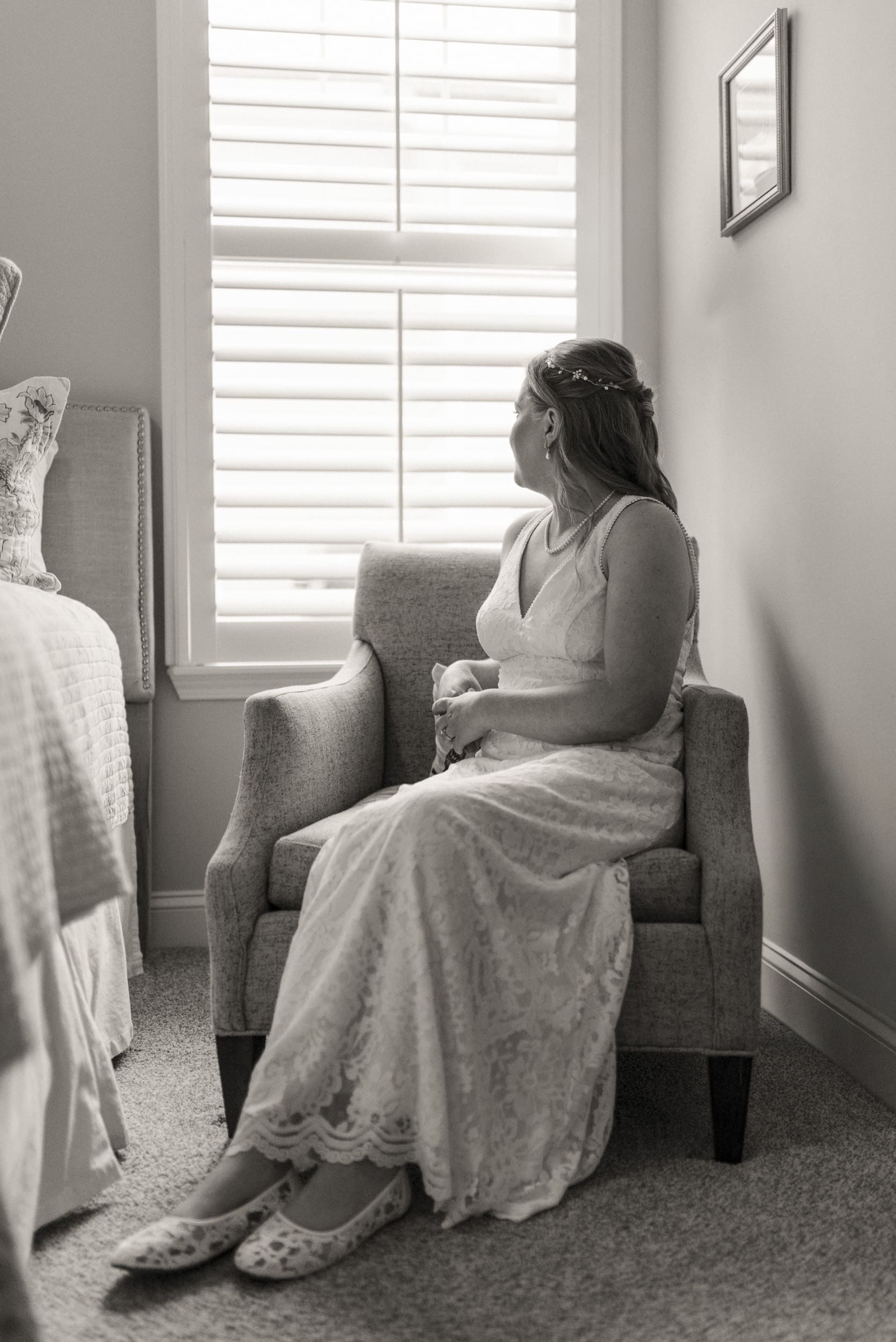
Some getting-ready suites are loud and golden – sisters yelling over a speaker, champagne going flat in plastic cups. Others are hushed, almost reverent, everyone moving like they’re in a library. Neither is better. But they need to be photographed differently, and they need me to show up differently.
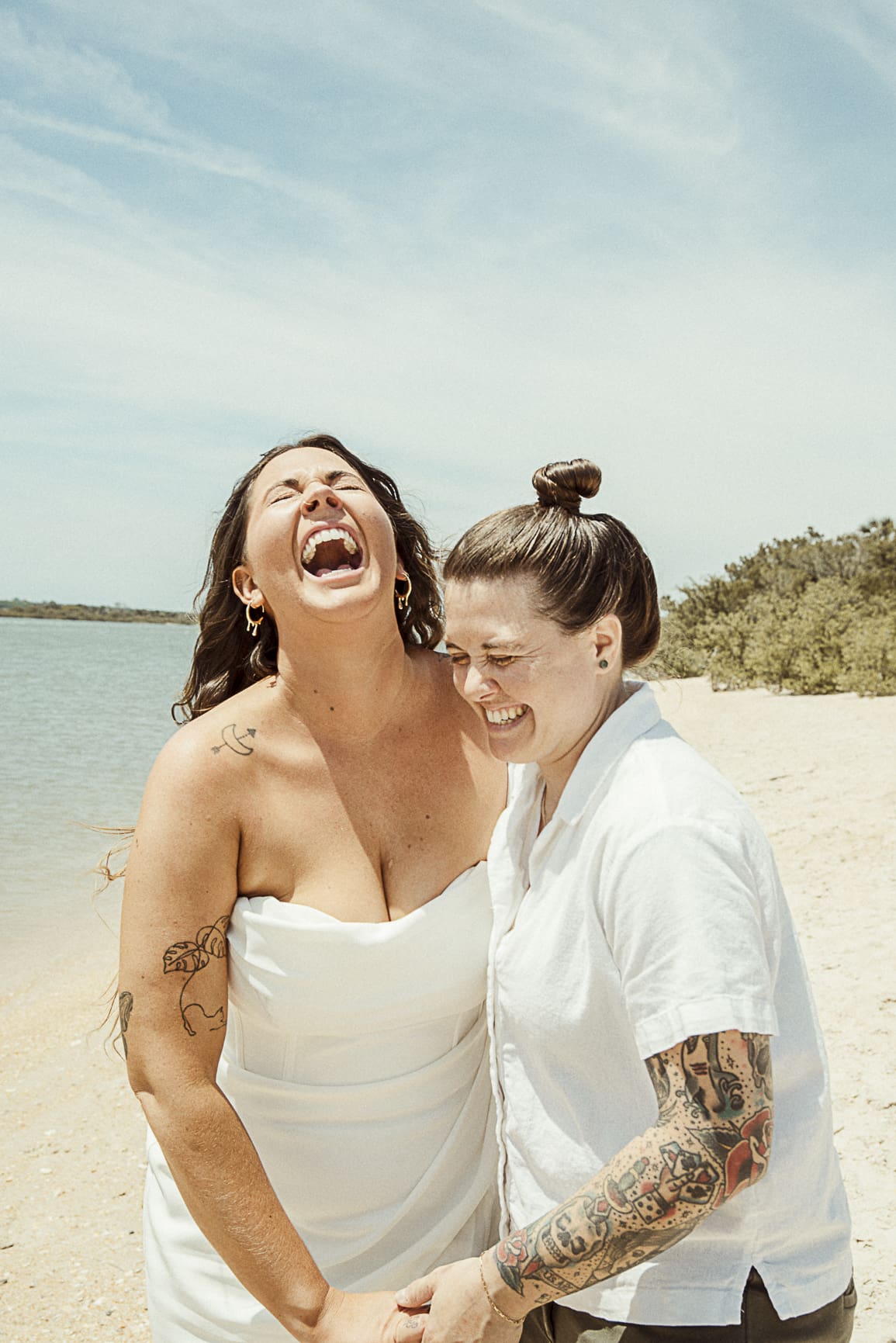
If the room is amped up, I ground it – I get quiet and steady, and the energy follows me down. If it’s nervous or flat, I lift it – a joke, a genuinely dumb question, anything to get a real laugh instead of a camera-smile. This isn’t a personality quirk. It’s a tool. The couples who look most like themselves in their gallery are the ones whose photographer clocked the room’s temperature and adjusted to it instead of forcing one energy onto every wedding regardless of what the day actually felt like.

Direction Without It Feeling Like Direction
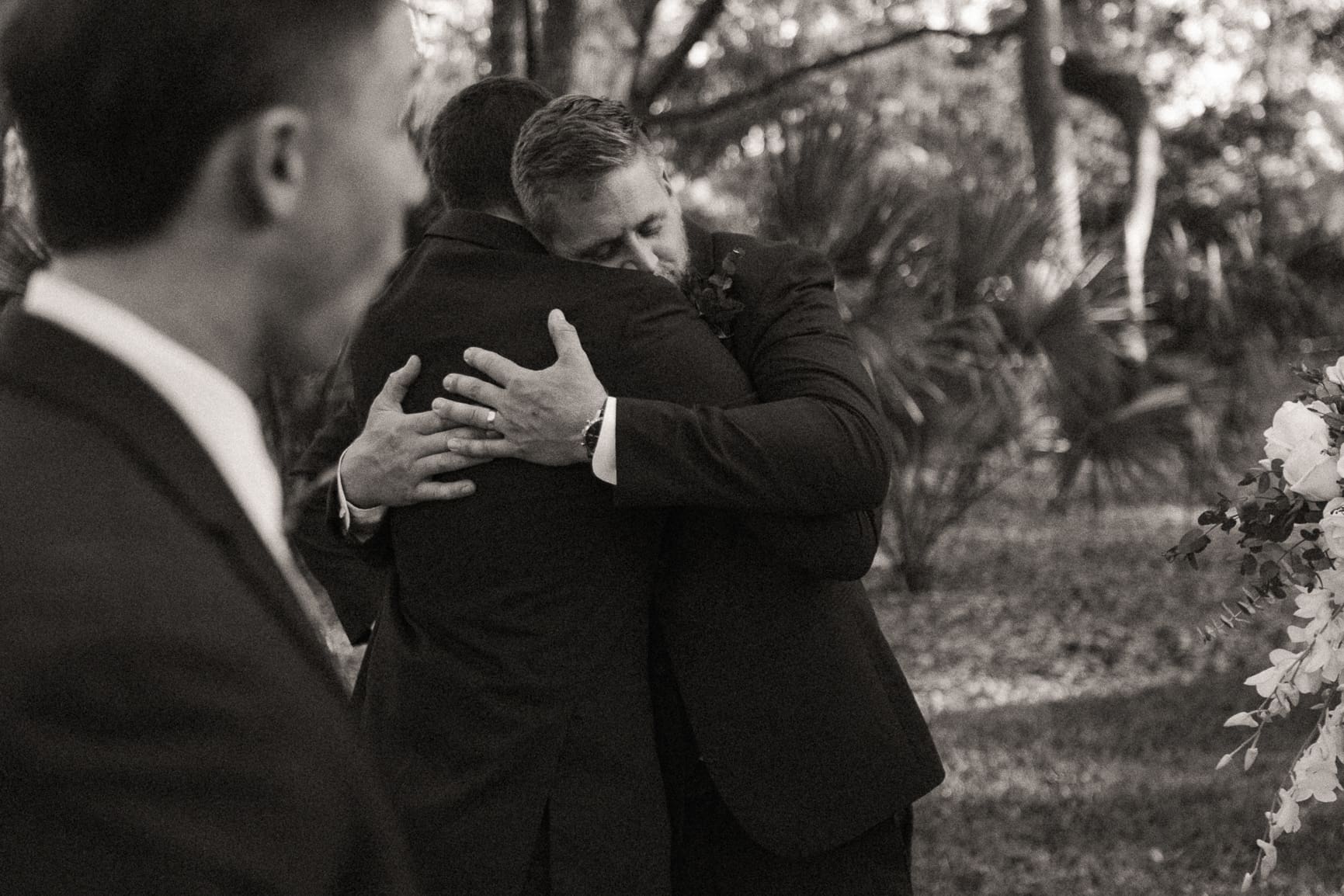
Almost everyone tells me they want candid photos. Almost everyone also freezes the instant a lens points their way. Those two facts are why pure “just be yourselves!” photography usually produces awkward, stilted galleries – nobody actually knows what “be yourself” looks like on command.
So instead of posing, I give movement:
• “Walk slow, let your shoulders brush as you pass each other.”
• “Pull her in like you’ve been waiting all day to do that – because you have.”
• “Breathe together before you turn around.”
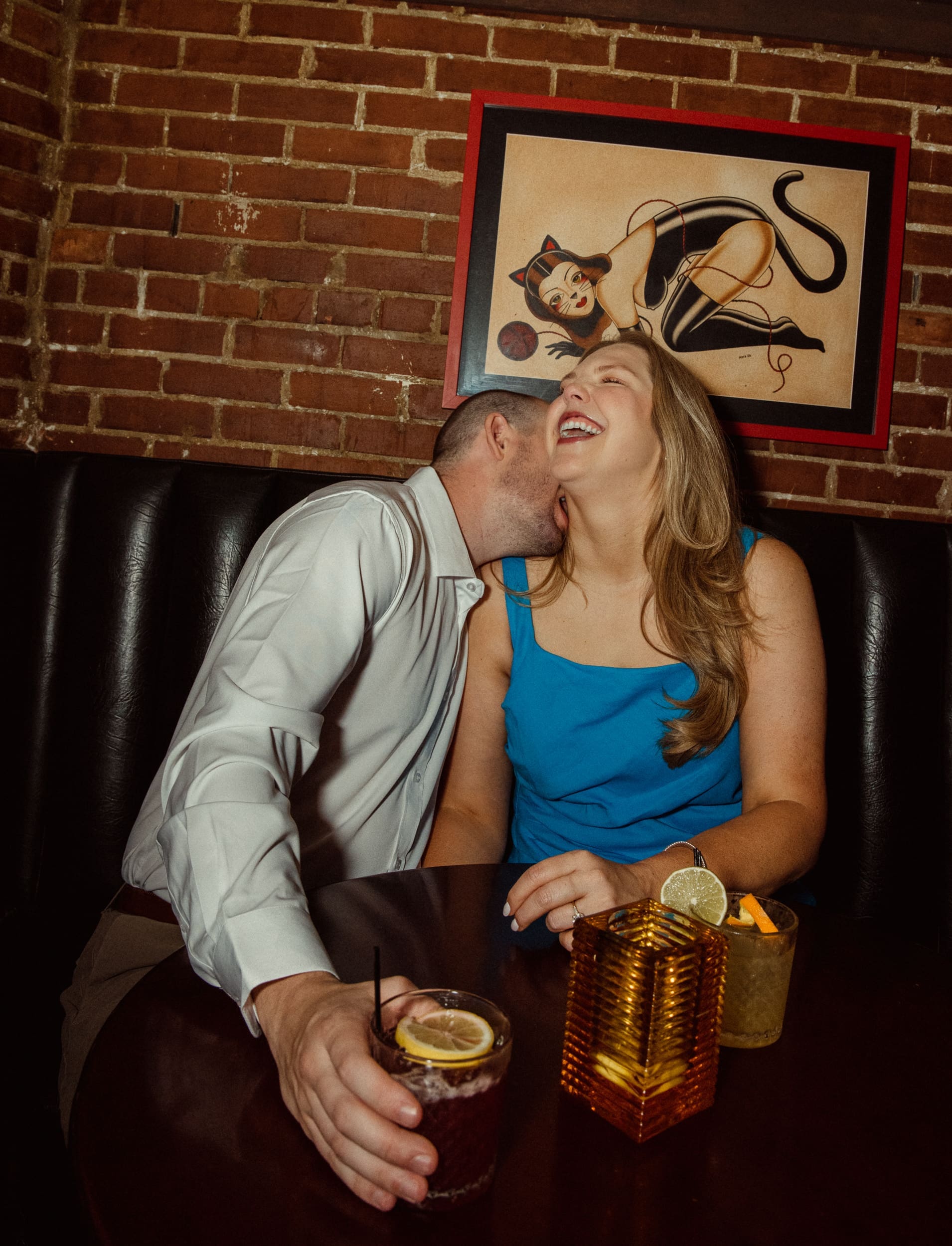
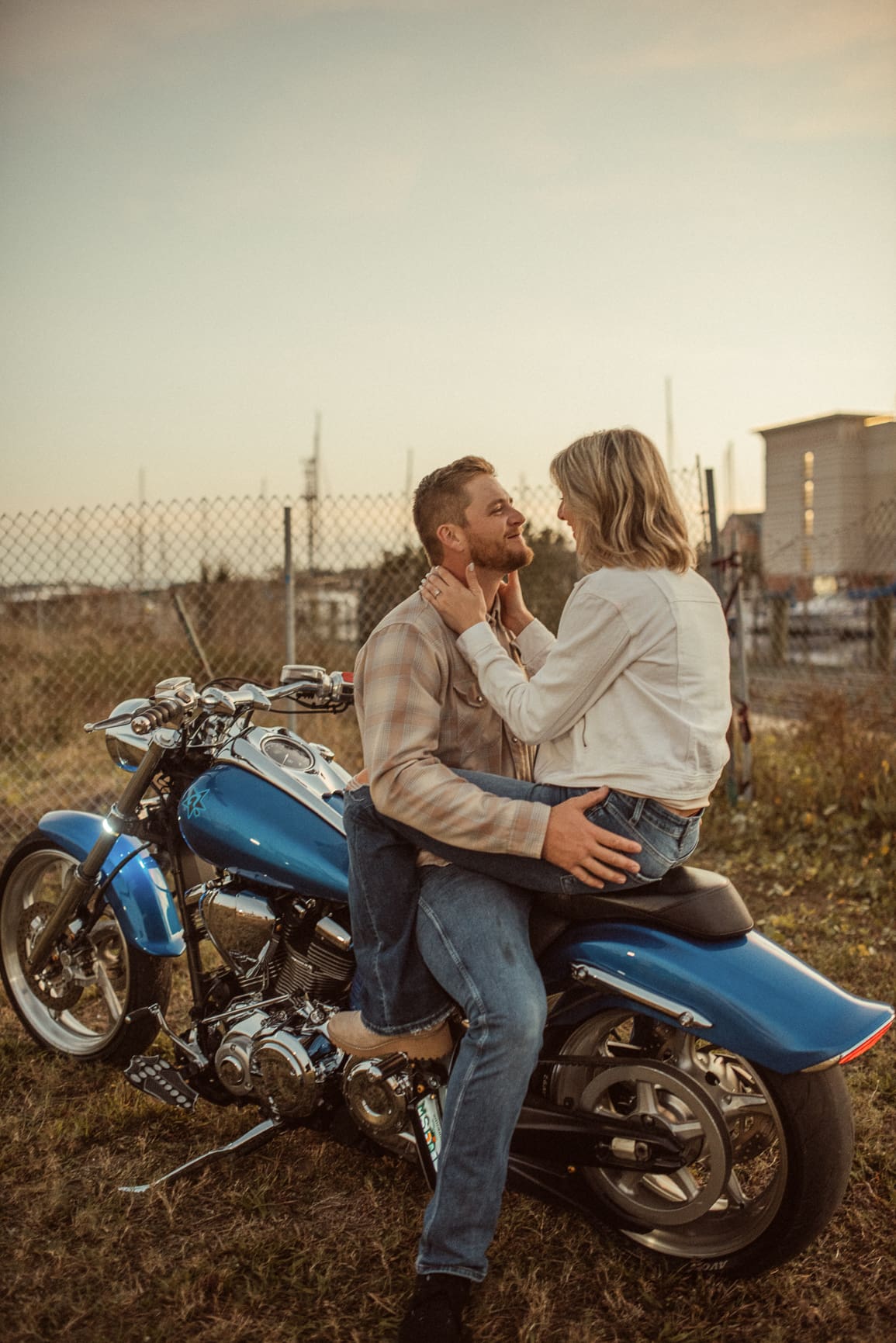
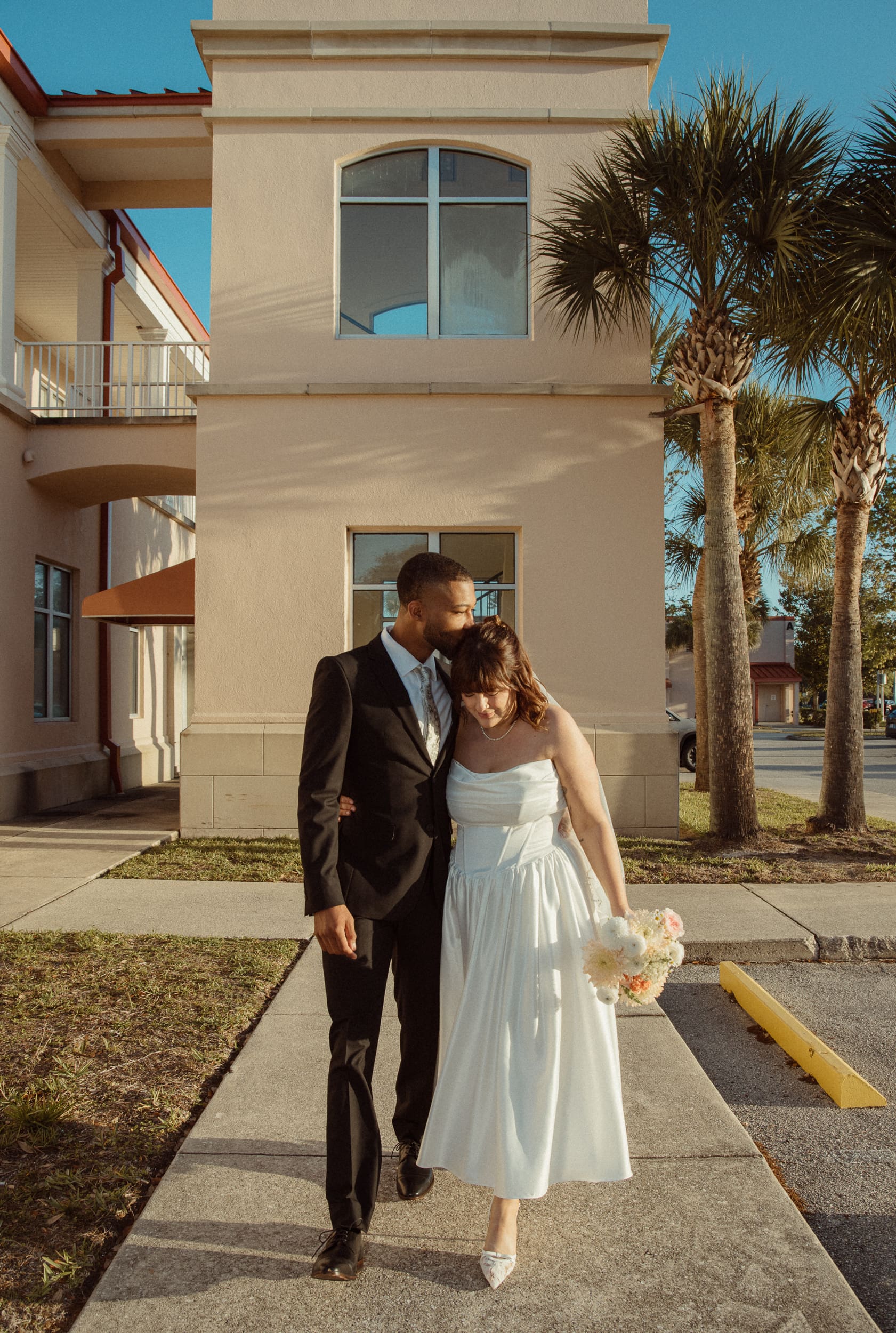
None of that is a pose. It’s a prompt. The couple does something physical, their real reaction shows up in the half-second after, and that’s the frame I’m actually after. It’s choreography loose enough to still breathe – structure with room for something true to slip through.
That’s the difference between a gallery that looks like a Pinterest board and one that looks like a still from a film you’d actually want to watch twice.
Light Doesn’t Wait for You to Be Ready
Light is the one variable that never negotiates, and it never stops moving on a wedding day.
Golden hour gets chased. Harsh midday sun gets bent – open shade, backlighting, whatever it takes. A reception lit like a cave gets sculpted with off-camera flash until it looks intentional instead of dim. None of that “effortless beauty” comes from perfect conditions. It comes from knowing what to do when conditions aren’t perfect, which – on a wedding day – is always.
Presence Is the Actual Skill
Here’s the quieter truth: when your photographer is calm, you become calm. It has almost nothing to do with technical ability and everything to do with emotional regulation.
You cannot produce relaxed, honest portraits while radiating frantic energy at your couple. So part of the job is knowing when to slow the whole day down – telling a couple to step outside, just the two of them, for thirty seconds of quiet before the reception swallows them whole. That pause is often where the realest photo of the entire day gets made, because it’s the first moment they’ve actually had to feel anything instead of perform it.


Anticipating the Moment Before It Happens
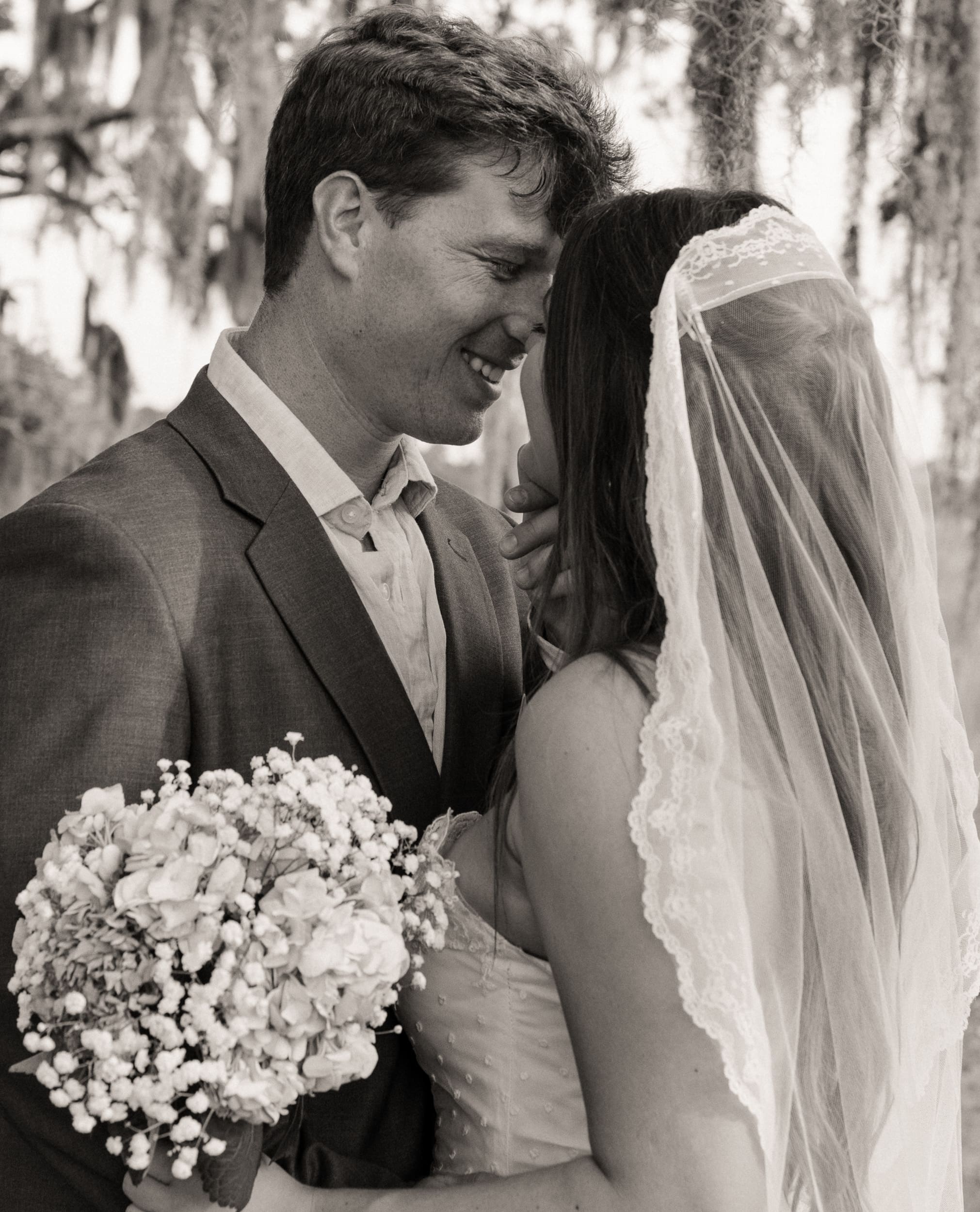
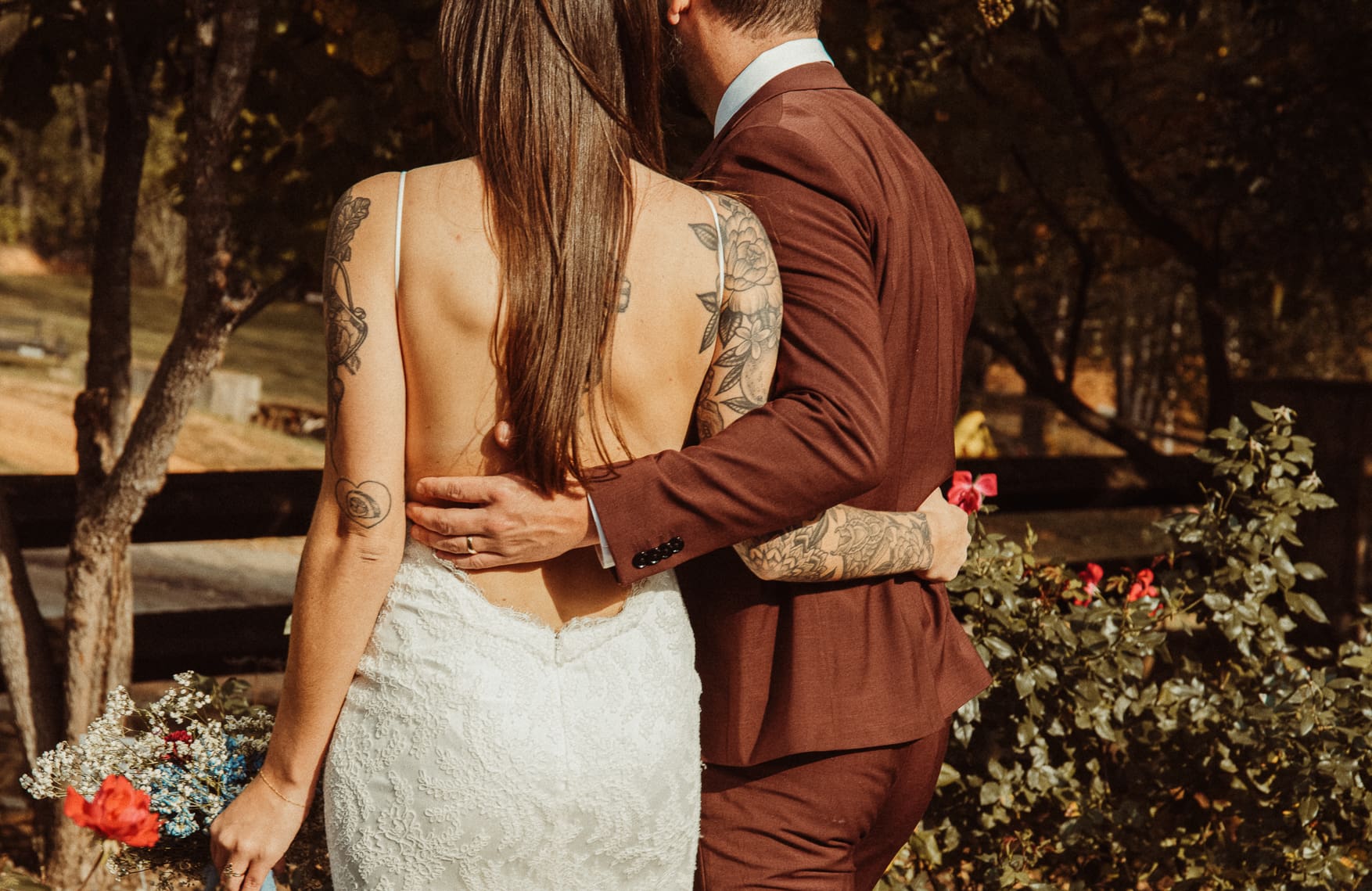
The best frames aren’t the obvious ones. They’re the half-second before the obvious one.
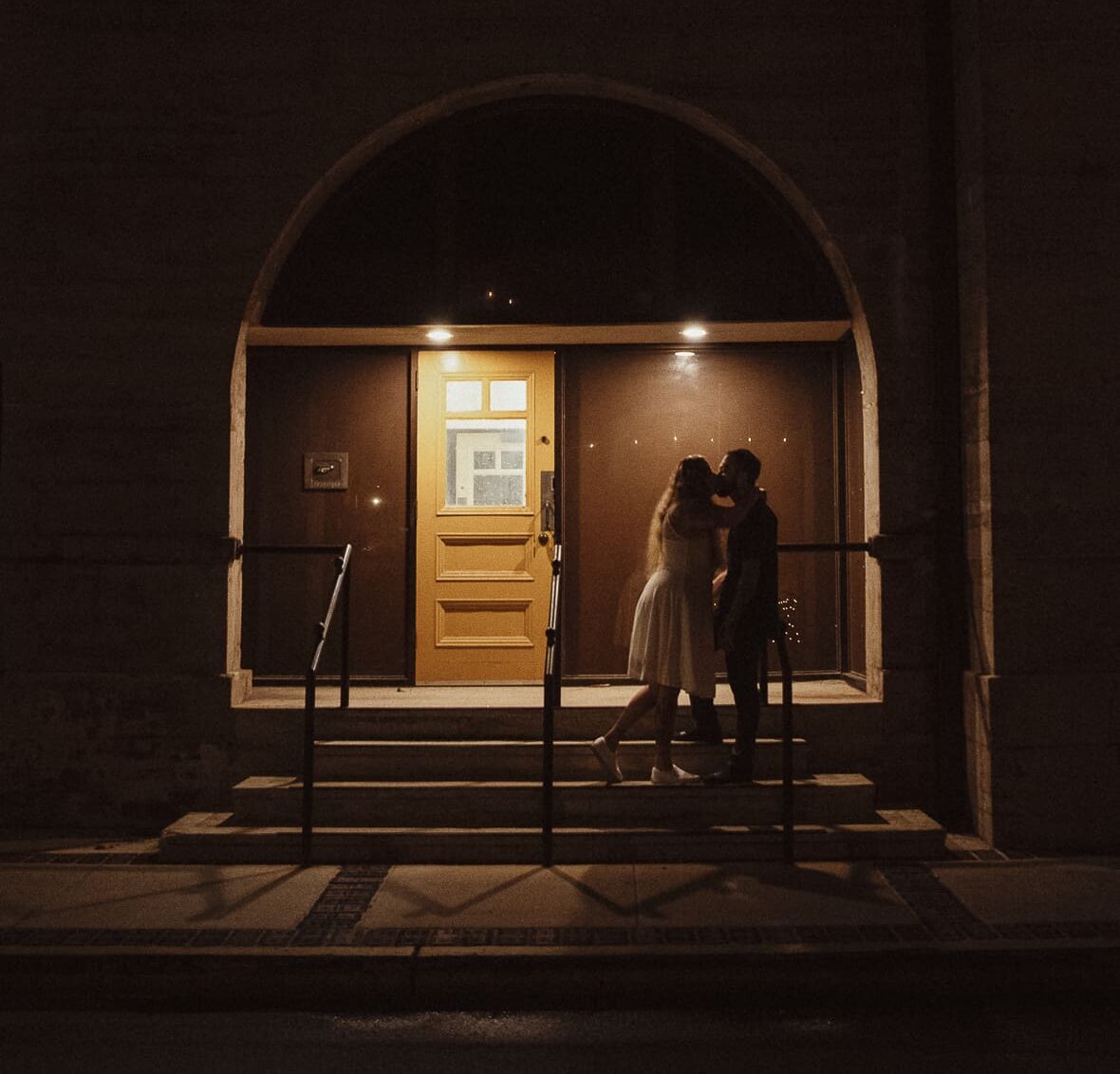
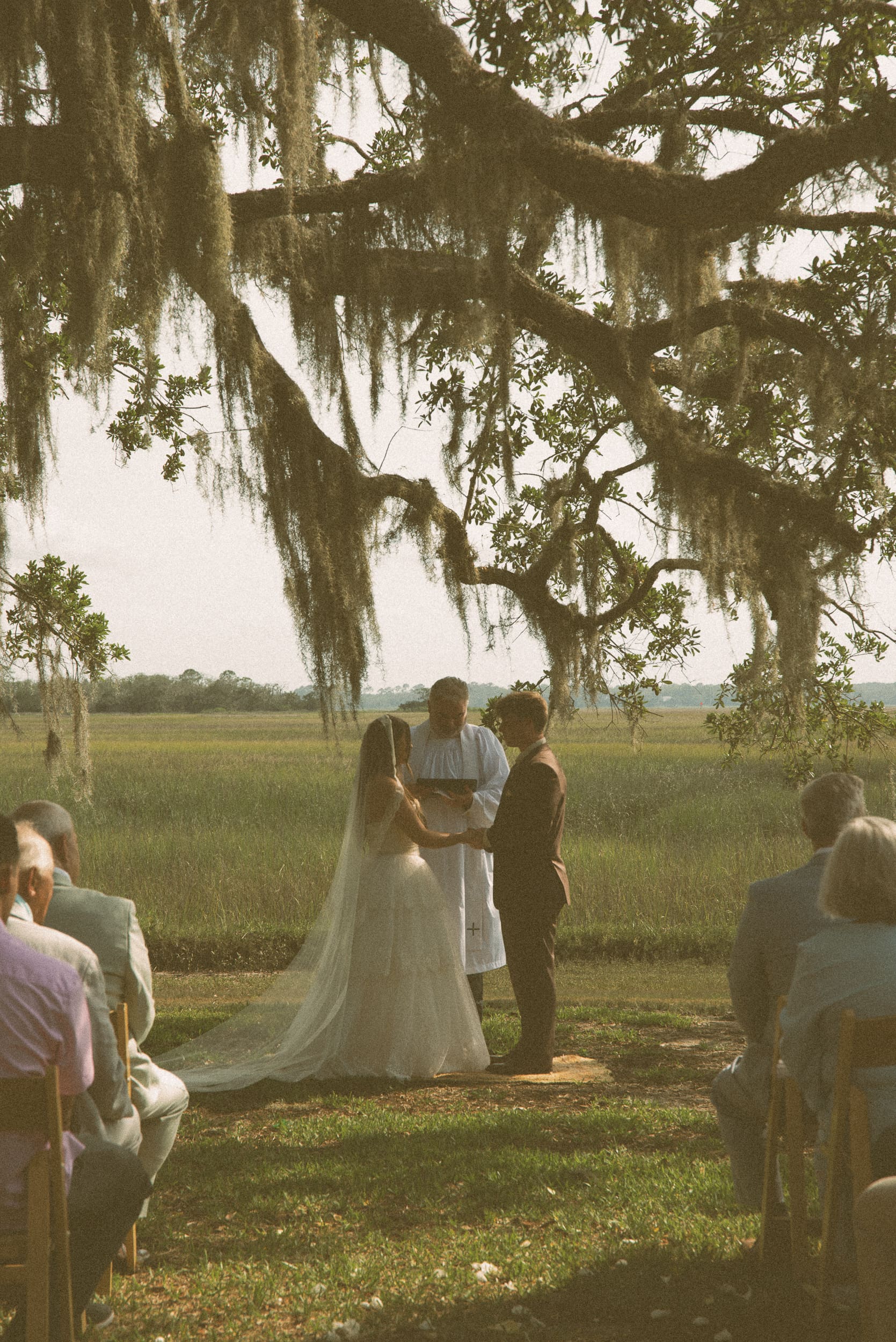
Not the first kiss – the breath caught right before it. Not the walk down the aisle – the hand that lingers on a shoulder a beat too long before letting go. Not the posed group photo – the exhale right after, when everyone thinks the camera’s already down.
Those moments feel alive because they aren’t performed. They’re anticipated. That’s the difference between a photographer who’s watching your wedding and one who’s fully inside it – and it’s not a skill you can fake by showing up with a nice camera. It’s built one wedding at a time.
Making Space for the Art
Documentary coverage still needs breathing room. If a gallery is going to have images that go beyond a well-shot snapshot, somewhere in the timeline there has to be ten or fifteen quiet minutes carved out on purpose – no agenda beyond letting the light and the couple do something unscripted. That’s usually where the portrait that ends up printed and framed actually comes from.
The Part You Never See
While you’re dancing, I’m adjusting shutter speed for motion blur. While you’re walking down the aisle, I’m already tracking how the light will shift from sun to shade by the time you reach the altar. While you’re laughing at a toast, I’m watching the reflection in someone’s glass and waiting a beat for the punchline to land before I press the shutter.
That invisible math is the entire reason the visible result looks effortless. Your gallery feels calm because someone was quietly, constantly working to make it feel that way.
What “Effortless” Actually Means
Effortless was never the absence of effort. It’s what mastery looks like from the outside.
It’s trust, instinct, and technical skill running at the same time, so seamlessly that you never have to think about any of it – you just get to be fully in your own wedding day while someone else quietly turns it into art.
So next time someone looks at your gallery and says “you two look so relaxed,” you’ll know exactly what that took. It wasn’t luck.
If you’re planning a St. Augustine wedding and want a photographer who treats “effortless” as a craft instead of a caption – let’s talk.
Continue Reading
+ view the comments