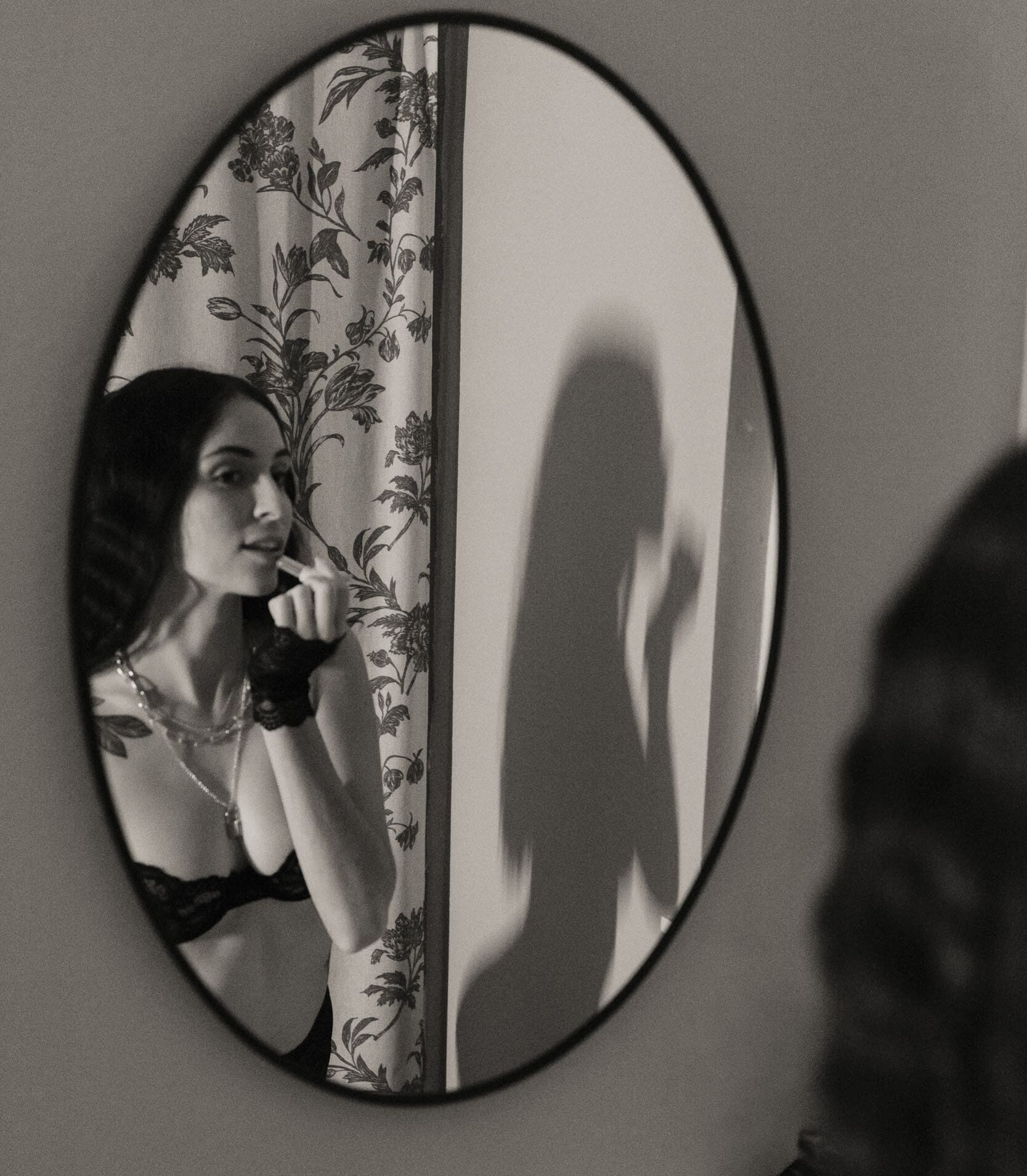
Most advice about “getting ready” is focused on improvement.
Fix this.
Tone that.
Smooth, whiten, tighten.
And while there’s nothing wrong with caring about how you look, preparation often turns into self-correction instead of self-connection.
What if getting ready wasn’t about becoming better– but about becoming present?
What if readiness had less to do with changing your appearance and more to do with how safe, rested, and at ease you feel in your body?
Because that kind of readiness is the one that actually shows up- in photos, in posture, in presence.
The Kind of Readiness No One Talks About
There’s a version of getting ready that has nothing to do with makeup or aesthetics.
It’s the feeling of:
- standing comfortably in your body
- breathing without bracing
- letting your shoulders soften instead of pulling them in
- feeling inhabited, not watched
This kind of readiness starts days (or weeks) before the moment you’re being seen- and it’s built through small, intentional choices that help your body settle.
If you’re new to embodiment sessions, here’s what they truly are and how they differ from traditional photography.
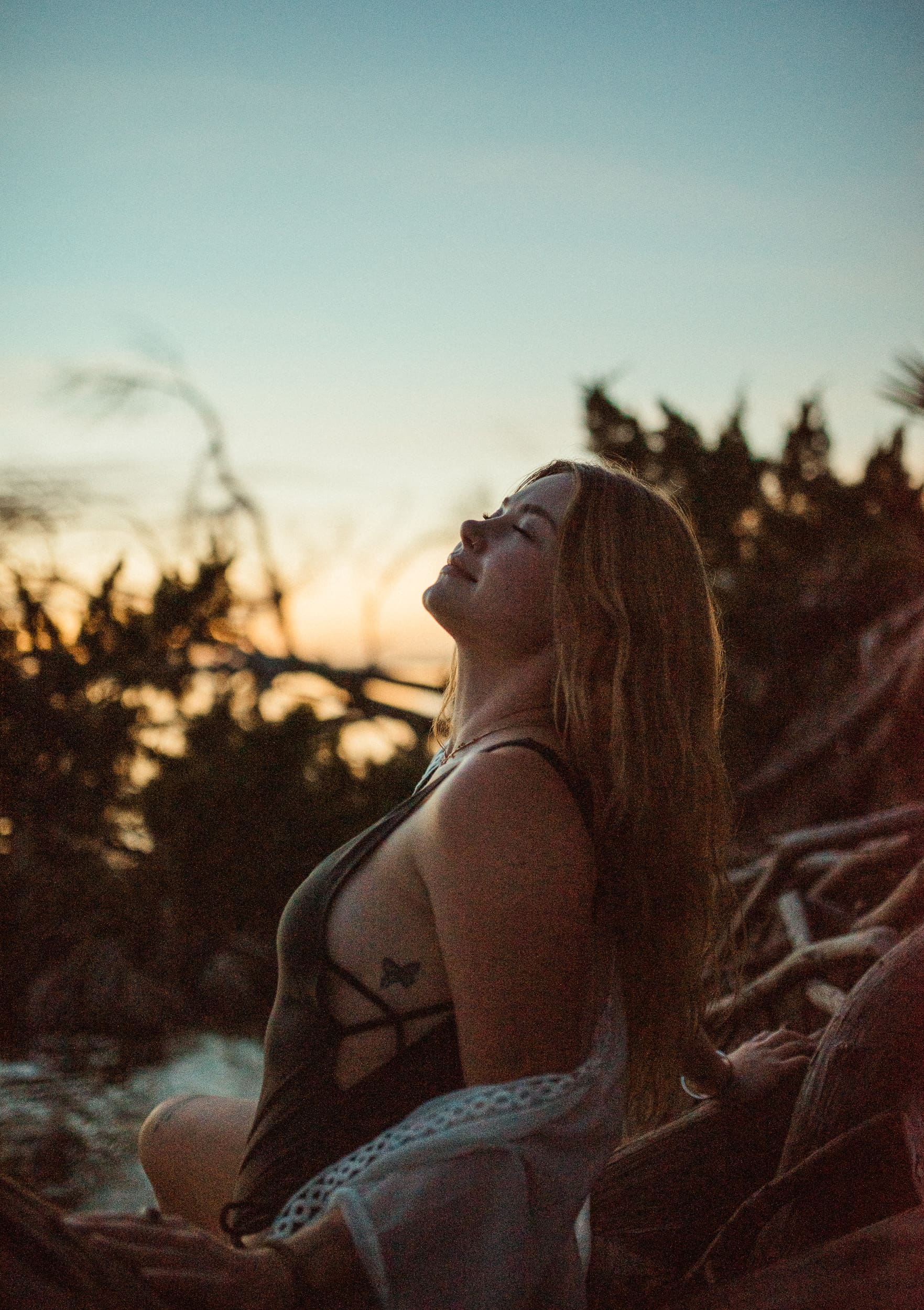
Tangible Ways to Prepare That Actually Change How You Feel (and Photograph)
These are simple, accessible practices that make a real difference- especially if you’re preparing for a photo session, your wedding day, or any moment where you want to feel calm, grounded, and confident.
1. Posture That Feels Supported, Not Forced
“Stand up straight” usually creates tension. True posture comes from regulation, not correction.
10-Minute Daily Reset
- Lie flat on the floor with knees bent and feet grounded
- One hand on your chest, one on your belly
- Slow belly breathing for 3–5 minutes
- Roll to your side and come up slowly
This allows your spine to return to neutral alignment naturally.
Over time, this shows up as:
- relaxed shoulders
- an open chest without effort
- ease through the neck and jaw
Posture like this reads confident without trying.
2. Hydration That Supports Your Body (Not Just Your Skin)
Hydration isn’t about drinking as much water as possible- it’s about consistency.
In the days leading up to being photographed:
- sip water regularly instead of chugging
- add electrolytes or a pinch of sea salt to one glass per day
- aim for pale yellow urine (simple, effective cue)
Proper hydration supports:
- skin elasticity
- digestion
- reduced puffiness
- overall energy
Your body photographs better when it’s not stressed or depleted.
3. Skincare, Grooming & Feeling “Put Together” in Your Own Way
Well-groomed doesn’t mean overdone.
It means:
- skin that feels calm, not irritated
- hands and feet you don’t feel self-conscious about
- hair and nails you’re not mentally managing
A manicure or pedicure, gentle exfoliation, or sticking to your regular skincare routine (not experimenting last-minute) can create a quiet sense of confidence.
When you feel cared for, your body softens.
That softness is visible.
4. Rest Is the Most Underrated Beauty Practice
Sleep affects:
- inflammation
- facial tension
- emotional regulation
- how grounded you feel in your body
In the week leading up to a shoot or wedding:
- prioritize earlier nights when possible
- reduce screen time before bed
- avoid stacking social plans late at night
Rested bodies don’t rush.
They don’t brace.
They don’t overperform.
5. Eating to Feel Light, Nourished, and Unbloated
Food isn’t about restriction- it’s about support.
A few days before being photographed, many women feel best when they:
- limit high-sodium or heavily processed foods
- avoid excess alcohol (which contributes to bloating and inflammation)
- eat familiar, grounding meals
Anti-Bloating Supportive Options
- cucumber
- ginger tea
- peppermint tea
- pineapple
- yogurt or kefir (if tolerated)
- oatmeal or rice with simple proteins
These support digestion without creating stress around food.
6. Breathwork to Settle the Nervous System
Shallow breathing keeps the body in alert mode.
Try this once or twice a day:
4–6 Breathing
- Inhale through the nose for 4
- Exhale through the mouth for 6
- 5 minutes total
Longer exhales signal safety.
This shows up as:
- softer facial expression
- grounded stance
- ease in movement
You can’t fake this kind of calm- and you don’t need to.
This same idea of preparing the nervous system shows up beautifully in how couples prepare for their wedding day.
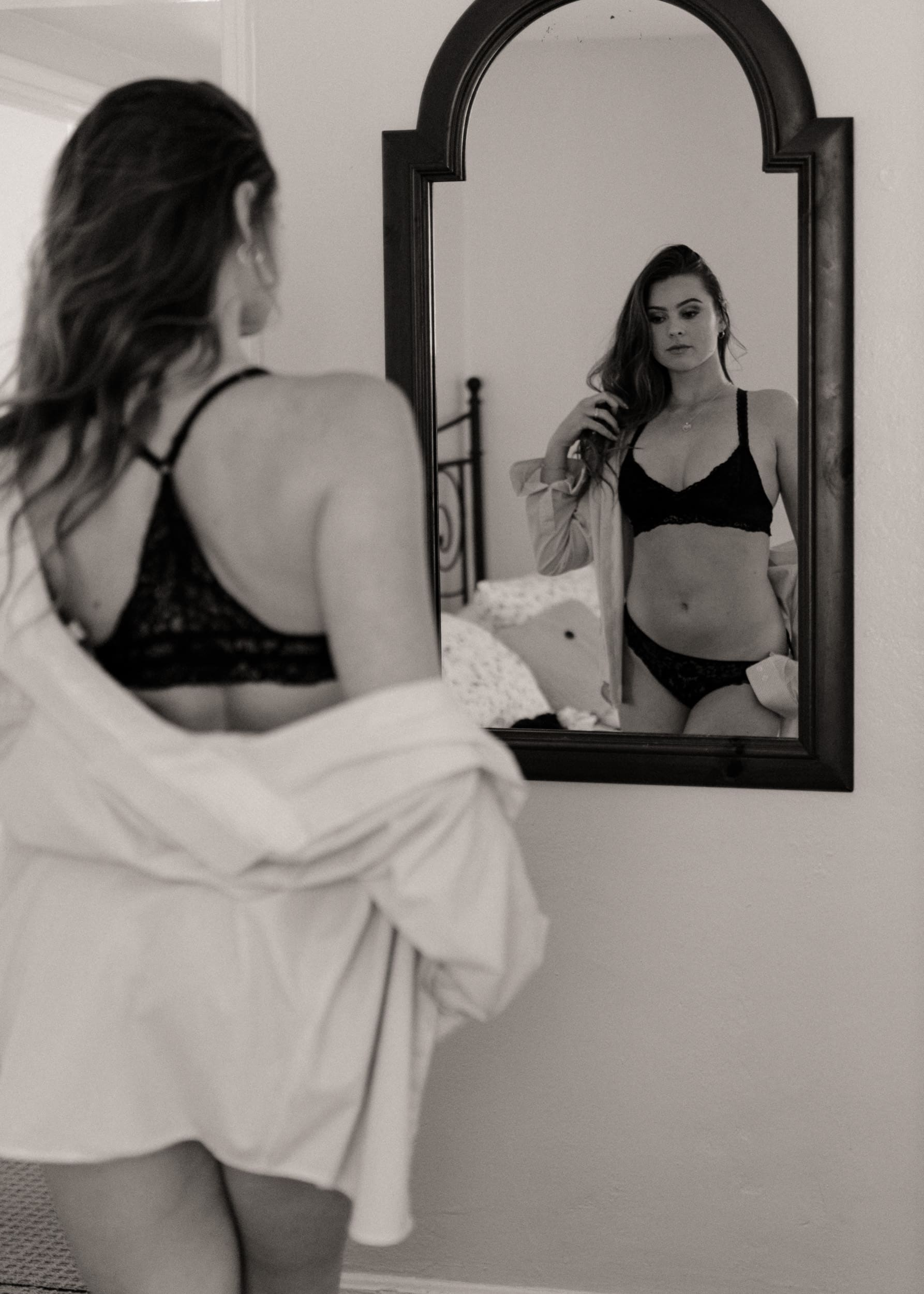
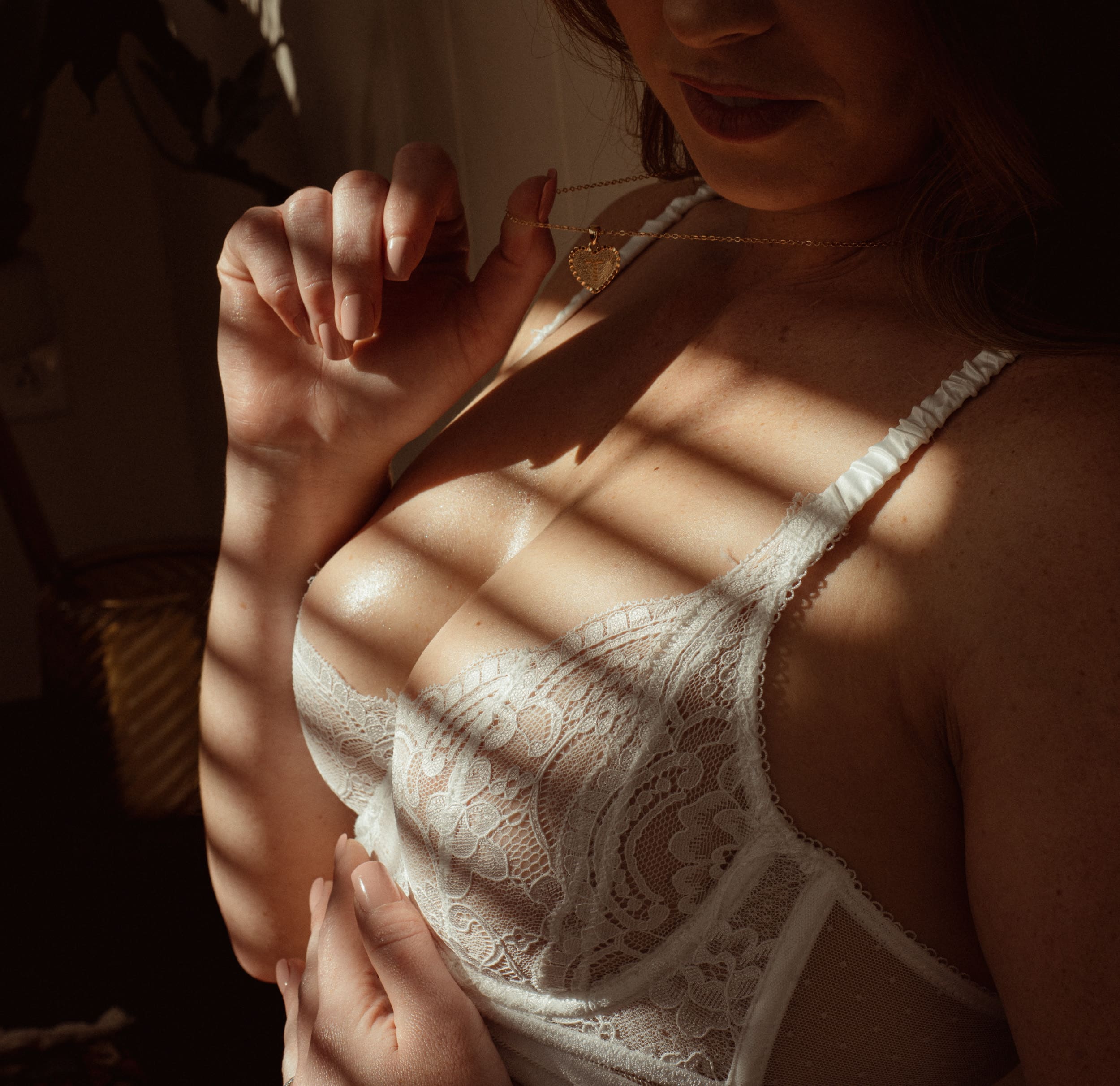
Why This Changes the Way Photos Feel
As a photographer, this is what I notice immediately.
Women who arrive rested, hydrated, nourished, and regulated:
- move naturally
- don’t overthink their bodies
- feel comfortable being seen
Their images feel:
- intimate
- relaxed
- timeless
Not because they tried harder- but because they took care of themselves first.
This is why my approach to photography prioritizes space, pacing, and presence over forced posing-something I walk through more fully in my experience and philosophy.
Getting Ready Is a Relationship, Not a Task
The biggest shift is this:
Stop treating your body like something to prepare.
Start treating it like someone you’re supporting.
With care.
With patience.
With respect.
When you do, getting ready becomes less about control- and more about trust.
The Foundation of Embodiment Work
This approach (slow, intentional, body-aware) is the heart of embodiment photography.
Not posing.
Not perfection.
Not performance.
Just space to arrive fully as yourself.
If nothing else, let this be permission:
You don’t need to fix yourself to be ready.
You just need to feel supported.
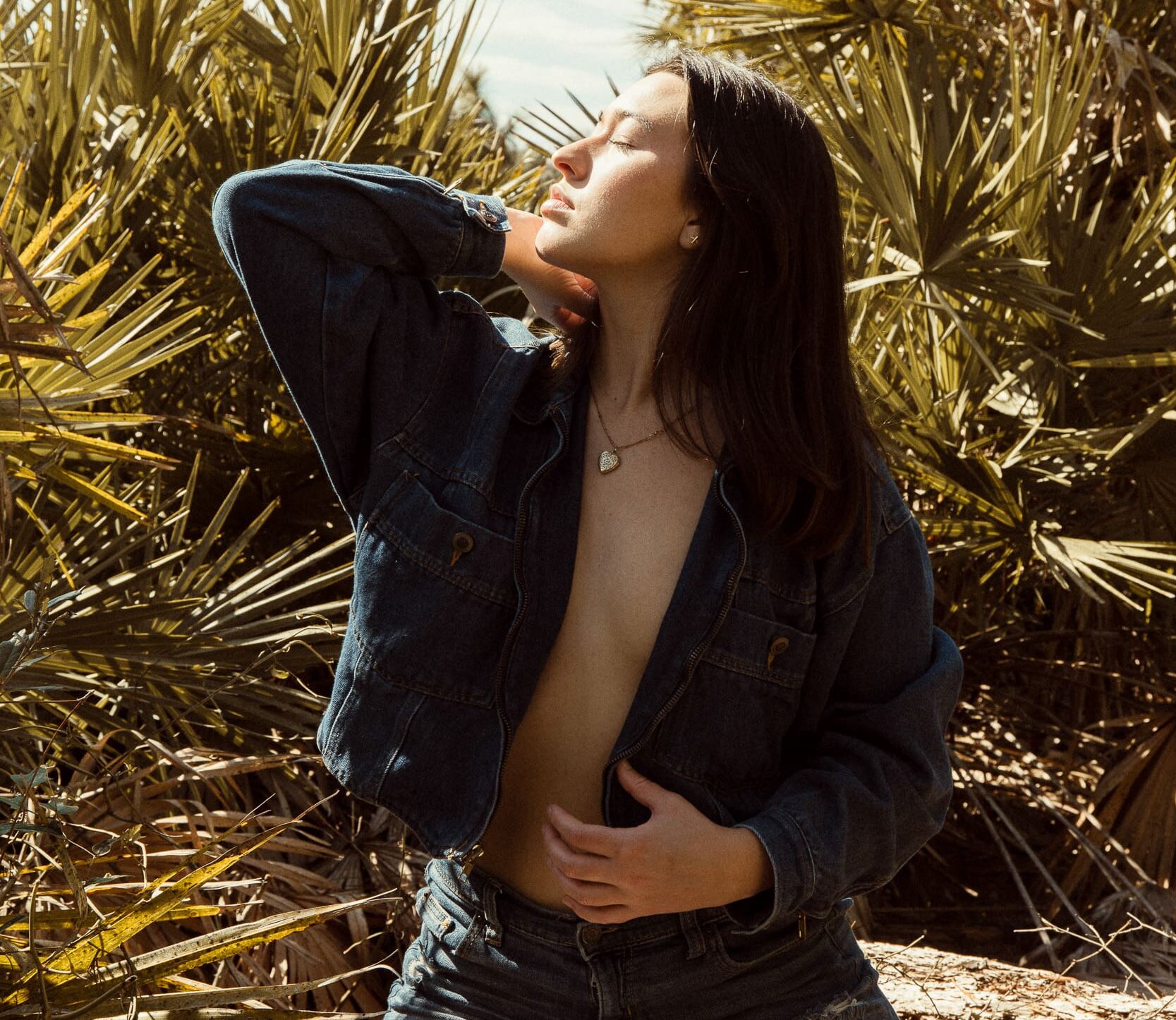
If this resonates, let it be an invitation to s low down.
Getting ready doesn’t have to be about fixing yourself or becoming someone else. Sometimes it’s simply about creating enough space to arrive as you are.
This philosophy is at the heart of my embodiment work—where we focus less on posing and more on presence, comfort, and trust in your own body.
If you’re curious about what that experience looks like, you can explore embodiment sessions here.
+ view the comments